Timezone upbeat as PHL malls pivot to experience-led retail
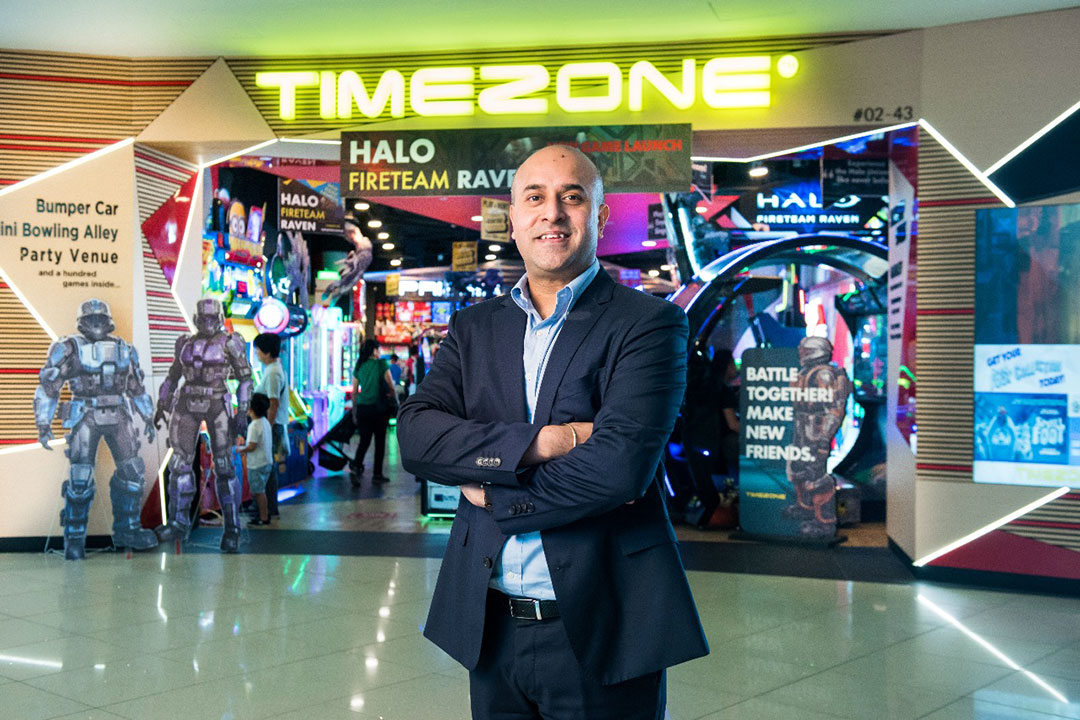
By Beatriz Marie D. Cruz, Reporter
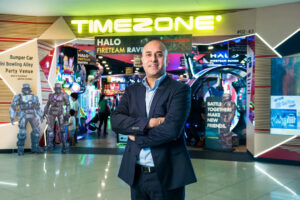
ENTERTAINMENT CHAIN Timezone is optimistic about further expanding its presence in the Philippines as retail and mall developers increasingly roll out experience-driven offerings, according to the chief executive officer (CEO) of its Australia-based parent company.
“There is a global shift that’s so profound in the Philippines where there’s more demand for experiences than products,” The Entertainment and Education Group (TEEG) CEO Sonaal Chopra said in an interview with BusinessWorld.
“As these malls transform themselves to lifestyle hubs, as the Ayalas, SMs and Robinsons malls do in the Philippines, we’re absolutely at the forefront of that,” he added.
Timezone is owned and operated by TEEG, an Australian family entertainment and edutainment group with operations across seven Asia-Pacific countries.
Since opening its first Philippine branch in 1998, Timezone has evolved from a small arcade into a multi-attraction entertainment hub located in malls and retail centers nationwide.
At present, Timezone Philippines operates 51 full-size venues and more than 50 smaller locations. More than two-thirds of its network in the country now consists of multi-attraction venues.
“After we transitioned into multifaceted formats, our visitation frequency in the Philippines is up 23% this year,” Mr. Chopra said.
As local property developers roll out more experience-driven mall concepts, TEEG aims to bring more immersive and world-class offerings to its Timezone branches, he added.
Philippine mall developers have been integrating experiential concepts and expanding their retail footprints to boost consumer traffic and spending.
This year, newly completed retail space tripled to 265,000 square meters (sq.m.) from 86,900 sq.m. a year earlier, according to property consultancy firm Colliers Philippines. The firm expects about 111,000 sq.m. of new retail supply to be completed through 2028.
To grow Timezone’s footprint, TEEG’s strategy is anchored on product innovation, network expansion, and guest engagement, Mr. Chopra said.
He added that about 25% to 30% of Timezone’s game offerings are refreshed annually to introduce variety and maintain customer interest.
The company is also expanding its karaoke offerings — among the most popular attractions in the Philippines — by adding more rooms of varying sizes and updating song selections.
“We’ll make sure to update the content and the songs regularly,” Mr. Chopra said.
Other popular attractions across Timezone’s Philippine branches include Street Fighter games, basketball zones, virtual reality experiences, photo booths, and social bowling.
Timezone also sees strong demand for its party rooms from corporate clients, particularly during the holiday season.
“I think what’s equally exciting is how we upsize or present ourselves in underrepresented communities where we can bring the Timezone experience to different parts of the Philippines,” Mr. Chopra said.
The company is also looking to further expand in regional cities, supported by the growth of estate and lifestyle hubs in provincial areas.
“We’ve got Bacolod coming up next year, we’ve got Solenad [in Laguna] coming up, so these represent the second part of our strategy, which is network growth,” Mr. Chopra said, citing Baguio and Pampanga as part of its expansion pipeline.
Timezone has also invested in digital tools to boost customer engagement and gain deeper insights into consumer behavior.
For instance, the Timezone Fun App allows users to reload power cards via mobile devices. Customers can also earn in-app vouchers, access exclusive promotions and discounts, and track their balances and rewards.
The app has recorded more than one million downloads from Philippine users alone, Mr. Chopra said.
Despite the rise of online and mobile gaming, Mr. Chopra said the coronavirus pandemic increased demand for shared, in-person experiences, creating opportunities for brands like Timezone.
“Shopping centers are spending that level of capital to reinvent themselves purely because of consumers’ demand for experiences. And that’s being driven by people valuing their time and relationships more after COVID,” he said.
Timezone Philippines operates under a joint venture between TEEG and Ayala Land, Inc.
The growing demand for social and experiential retail is also shaping TEEG’s broader expansion strategy across the Asia-Pacific region, Mr. Chopra said.
Timezone plans to open about 30 to 40 new venues annually across the Philippines, Indonesia, Singapore, Vietnam, India, Australia, and New Zealand.
“We have a striking chance of doubling the size of our network, even in our existing markets over the next five years,” he said.
When asked about his favorite Timezone attraction, Mr. Chopra cited social bowling and the company’s newest offering, ColourGrid.
“When I’m in the Philippines, I try the karaoke booths,” he said. “But I have to admit… Filipinos sing so well, I can’t compete.”