BSP sees December inflation between 1.2% and 2.0%
By Katherine K. Chan
PHILIPPINE INFLATION likely eased year on year in December as lower electricity prices may have offset costlier food items during the holiday season.
In its month-ahead forecast, the Bangko Sentral ng Pilipinas (BSP) said headline inflation likely fell within the 1.2%-2% range in December, slowing from the 2.9% clip seen a year ago.
At 2% or the upper end of the forecast, inflation may have picked up from 1.5% in November and would be the fastest clip in 10 months or since the 2.1% clip in February. It would likewise mark the first time in 10 months that inflation returned to the central bank’s 2%-4% target.
At the bottom end of the forecast, inflation likely eased to its slowest pace in five months or since the 0.9% in July.
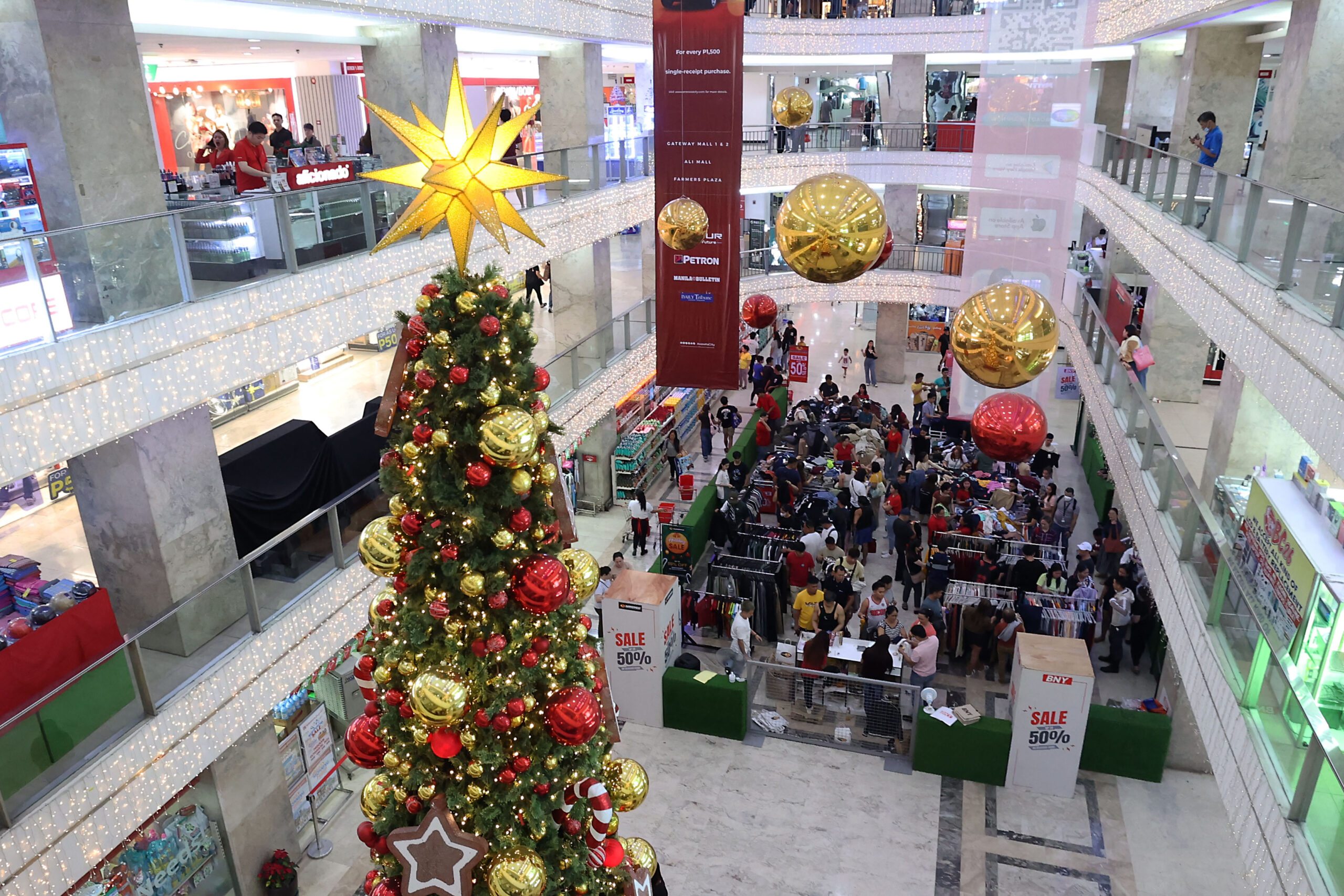
“Upward price pressures may come from increased prices of major food items due to the lingering effects of adverse weather and strong holiday demand, as well as higher LPG (liquefied petroleum gas) and gasoline prices,” the central bank said in a statement on Monday.
This comes despite the Department of Trade and Industry’s imposition of a 60-day price freeze on basic and prime commodities last November, following President Ferdinand R. Marcos, Jr.’s declaration of a state of national calamity.
The Department of Agriculture also implemented a maximum suggested retail price for pork, onions and carrots starting Dec. 1 and is set to last until the end of January.
However, the central bank said lower prices of electricity, kerosene and diesel during the month may have offset the inflationary pressures from food prices.
In December, the Manila Electric Co. (Meralco) reduced electricity rates by P0.3557 per kilowatt-hour (kWh) to P13.1145 per kWh from P13.4702 per kWh in November.
This is equivalent to a P71 decrease in the monthly electricity bills of households consuming an average of 200 kWh.
Meanwhile, pump price adjustments in December stood at a net increase of P0.80 per liter for gasoline. On the other hand, it posted a net decrease of P3.80 per liter for diesel and P4.40 per liter for kerosene.
The Philippine Statistics Authority is set to release the December inflation data on Jan. 6.
In a separate commentary, Metropolitan Bank & Trust Co. (Metrobank) research officers Maria Kaila Balite and Joaquim Pantanosas said inflation likely settled at 1.4% in December, bringing full-year inflation to an average of 1.6%.
The bank noted that elevated prices of food such as vegetables, fruits, meat and fish amid increased demand brought inflationary pressures in December.
“Food inflation continues to exert upward pressure to headline inflation this month, with holiday demand providing a push to prices,” it said. “Elevated oil and electricity prices also add to the weight. Metrobank forecasts headline inflation at 1.4% year on year in December.”
Meanwhile, the central bank said it will keep monitoring the country’s inflation and economic growth data in deciding its monetary policy.
“The BSP will continue to monitor domestic and international developments affecting the outlook for inflation and growth in line with its data-dependent approach to monetary policy,” the central bank said.
At its Dec. 11 meeting, the BSP lowered its policy rate by 25 basis points (bps) to an over three-year low of 4.5% as it continues to see subdued inflation and sluggish growth. It has so far delivered a total of 200 bps in cuts since August 2024.
As of November, headline inflation averaged 1.6%, matching the central bank’s full-year forecast.
For 2026, the central bank sees inflation accelerating to 3.2%, before slowing to 3% in 2027.
Mr. Remolona earlier said that the current easing cycle is nearing its end but still left the door open to a final 25-bp reduction next year depending on economic data.
The Monetary Board is scheduled to hold six regular policy meetings in 2026, with the first one set on Feb. 19.