Uber drops 2030 all-electric target as chief executive warns EV shift is stalling
Uber has abandoned its pledge to operate an all-electric fleet across major UK, US and European cities by 2030, after its chief executive warned that drivers, consumers and governments are turning away from electric vehicles.
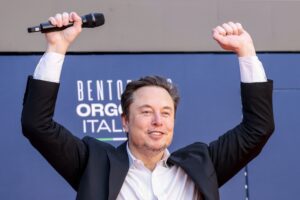
Speaking at the World Economic Forum in Switzerland, Uber chief executive Dara Khosrowshahi said the company’s long-standing commitment to switch to a fully electric fleet by the end of the decade was “just not going to happen”.
It marks the first time Uber has publicly conceded that it will miss the target, which was set in 2020 and closely aligned with Labour’s wider ambitions to accelerate the transition away from petrol and diesel vehicles.
“Our EV target of being all-electric by 2030, that’s just not going to happen based on everything that’s happening in society,” Khosrowshahi said. He added that while Uber would continue to increase the proportion of electric vehicles on its platform, external conditions had made the original pledge unrealistic.
Uber had previously said London would become its first net-zero city by 2025. However, the latest figures show the company remains less than halfway towards achieving that goal, despite London being its most advanced market for EV adoption.
The company has repeatedly warned that the transition would stall without stronger support from policymakers. Last year, Uber said “high upfront EV costs, limited charging access and inconsistent policy support” were continuing to slow adoption among drivers.
Those pressures have intensified as governments have scaled back subsidies and introduced new taxes affecting electric vehicles. In the UK, chancellor Rachel Reeves announced a future pay-per-mile road tax in her Budget, with the government’s fiscal watchdog warning it could significantly dampen demand for EVs.
Rising electricity prices since the pandemic have further eroded the cost advantage of electric cars, while incentives for drivers have been pared back. Uber itself has reduced bonuses for drivers using EVs, weakening financial motivation to switch.
In London, the introduction of the congestion charge for electric vehicles under mayor Sadiq Khan has dealt another blow to Uber’s electrification plans in the capital.
At the end of last year, Uber said 40 per cent of journeys in London were electric, compared with 15 per cent across Europe and just 9 per cent in the United States. In America, the rollback of EV subsidies under president Donald Trump has further slowed uptake.
Despite the shift in tone, Uber’s website continues to state an ambition for 100 per cent of rides in Canada, Europe and the US to be zero-emissions, although no revised deadline has been set.
Khosrowshahi sought to strike a more optimistic note on longer-term technology, suggesting autonomous vehicles could eventually revive Uber’s green ambitions. He said robot-taxis, which are typically electric, could begin operating in London as early as this year.
“One of the benefits of autonomous vehicles is that the vehicles all happen to be electric,” he said. “So the autonomous revolution will also be an electric revolution.”
He added that discussions with UK regulators were progressing, describing London as “leaning in” to both artificial intelligence and autonomous transport, with the UK’s technology talent base “excellent”.
For now, however, Uber’s retreat from its 2030 target underscores the growing gap between political ambition and the realities facing businesses and consumers as the electric vehicle transition loses momentum.