Why Tesla stock is falling around 2% on Thursday
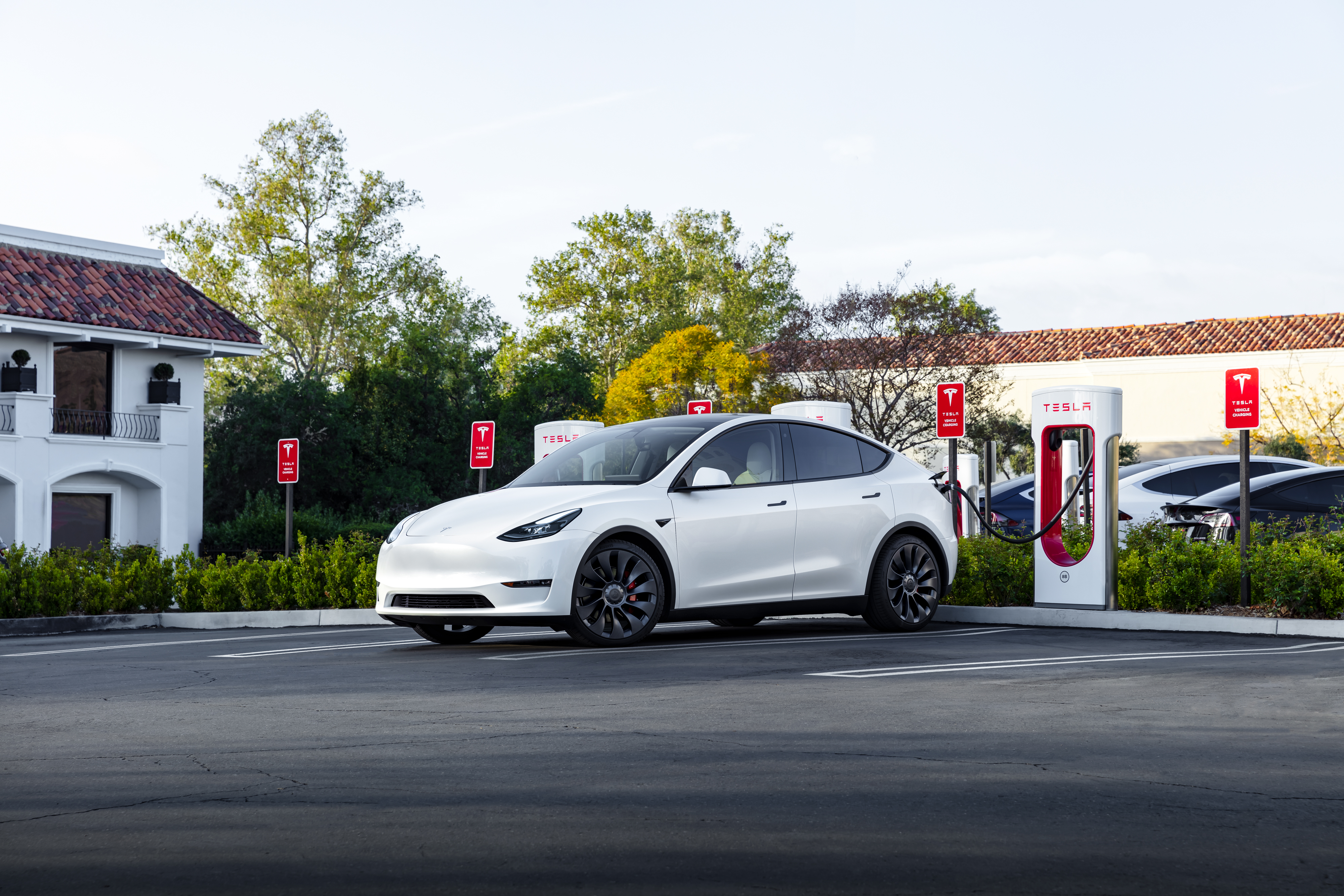
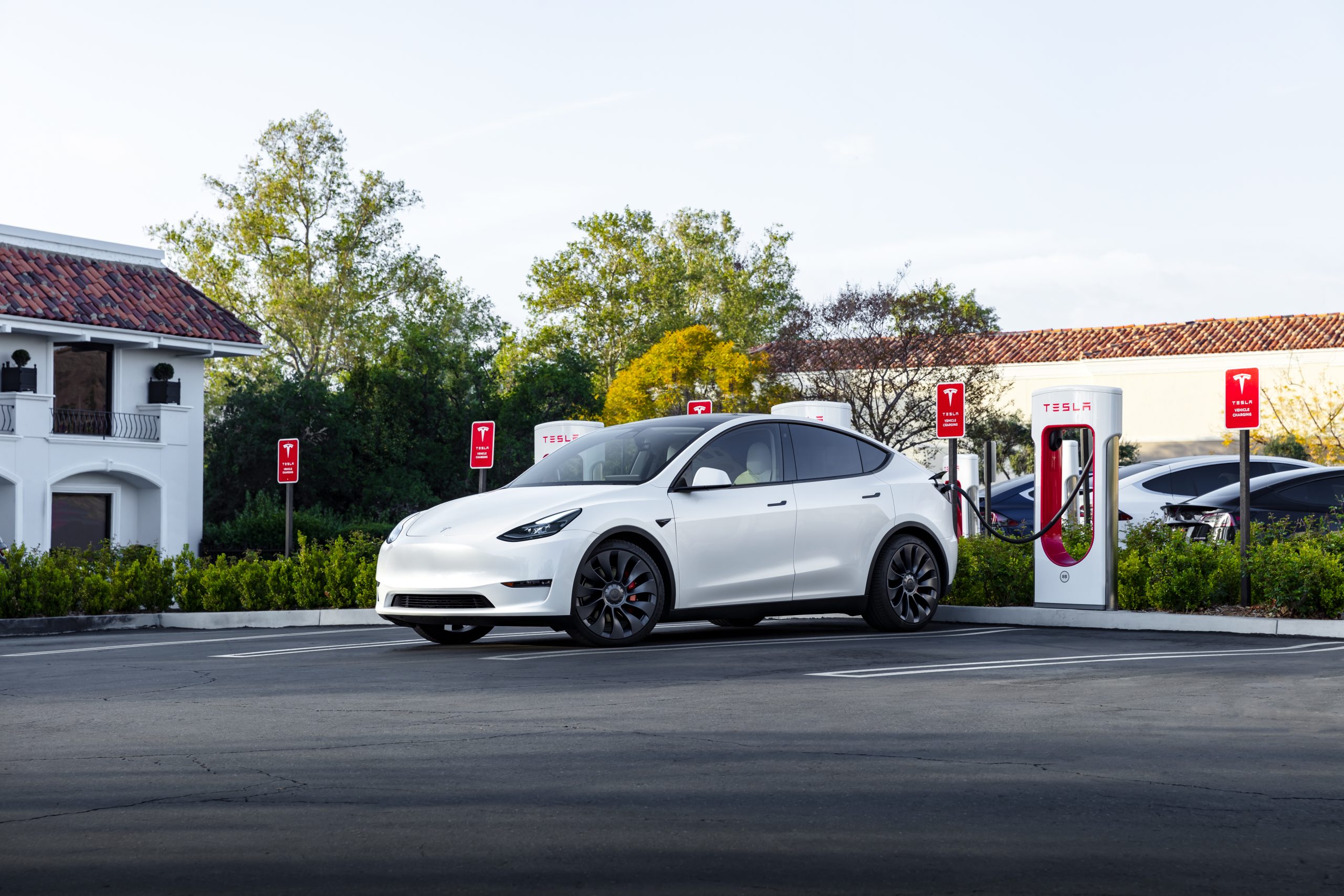
Shares of Tesla came under pressure on Thursday as US safety regulators escalated scrutiny of the company’s driver-assistance technology.
At the time of writing, the Tesla stock was down around 2% to trade at $383.
The decline comes as the National Highway Traffic Safety Administration said it is advancing its investigation into Tesla’s Full Self-Driving (Supervised) system to an “engineering analysis,” a more detailed phase that could lead to a recall or other enforcement action.
Broader market pressured by oil surge
US equities also moved lower amid rising geopolitical tensions and surging oil prices.
The Dow Jones Industrial Average fell 344 points, or 0.7%, while the S&P 500 and Nasdaq Composite declined 0.5% and 0.6%, respectively.
The S&P 500 slipped below its 200-day moving average for the first time since late May.
In commodities, Brent crude surged 3% to $111 per barrel, while West Texas Intermediate rose 1% to $97 per barrel.
The spike followed escalating conflict in the Middle East, including strikes on energy infrastructure in Qatar and Iran’s South Pars gas field.
US President Donald Trump warned of further escalation if additional facilities were targeted.
NHTSA flags safety concerns
The regulatory probe centres on Tesla’s Full Self-Driving system, which handles steering and driving functions but requires continuous driver supervision.
According to NHTSA, several crashes — including one fatal incident — have raised concerns about the system’s ability to adequately alert drivers in low-visibility conditions such as fog, sun glare and airborne dust.
The investigation, which began in 2024, is now entering a more advanced stage that typically precedes potential regulatory action.
The probe adds another layer of uncertainty for Tesla as it prepares to roll out more advanced autonomous technologies.
The timing of the investigation is notable, coming just weeks before Tesla is expected to begin production of its fully autonomous robotaxi, known as the Cybercab.
The vehicle is designed without traditional controls such as a steering wheel or pedals and is intended to operate entirely using Tesla’s Full Self-Driving system.
Tesla has positioned autonomous driving as central to its transition from an electric vehicle manufacturer to a broader artificial intelligence and robotics company.
Increased regulatory scrutiny could influence the pace and scope of that transition.
Delivery outlook mixed
Separately, Wall Street is updating expectations for Tesla’s near-term performance.
UBS analyst Joseph Spak expects Tesla to deliver around 345,000 vehicles in the first quarter, representing a 2% increase from the same period last year.
However, the estimate falls short of broader Wall Street expectations of approximately 380,000 deliveries, which have already been revised down from around 400,000 at the end of 2025.
Tesla’s delivery outlook reflects a more challenging environment for electric vehicle demand globally.
In the US, the expiration of a $7,500 EV tax credit has weighed on consumer demand, while in China — the world’s largest EV market — adoption has reached a more mature stage, with electrified vehicles accounting for over half of new car sales.
Despite these headwinds, Tesla continues to show modest growth, though investor focus remains firmly on its longer-term AI and autonomous driving ambitions.
The post Why Tesla stock is falling around 2% on Thursday appeared first on Invezz