Rising jet fuel costs from Iran conflict threaten US airline profits
Airline investors are facing renewed caution as rising oil prices tied to the Iran conflict threaten to squeeze profits across the US aviation sector.
While travel demand in the United States remains resilient for now, analysts warn that escalating fuel costs are putting significant pressure on airline margins, prompting lowered earnings forecasts and heightened uncertainty for stockholders.
Jet fuel surge hits margins
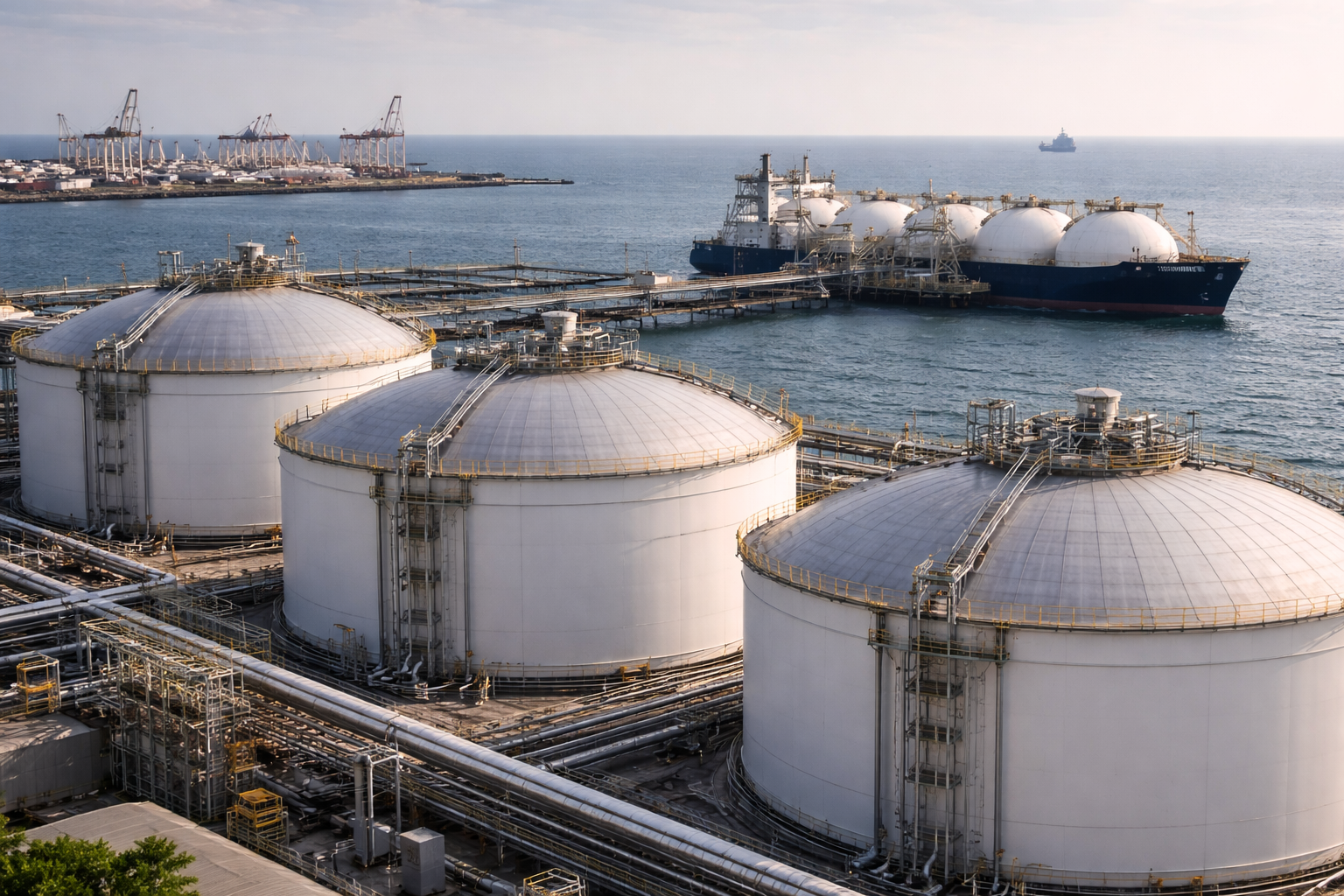
Crude oil and jet fuel prices have climbed sharply amid concerns that the Iran conflict could escalate. United Airlines shares fell 6.6%, American Airlines dropped 6.5%, and Delta Air Lines lost 4.6% on Thursday although most of them pared some of the losses.
The US Global Jets ETF declined 4.1% after surging nearly 7% over the previous two days. Crude oil futures climbed 12.1% Thursday, reversing recent declines as the geopolitical risk outlook worsened.
Analysts note that the combination of fixed costs and near-term bookings makes the impact of higher fuel prices immediate.
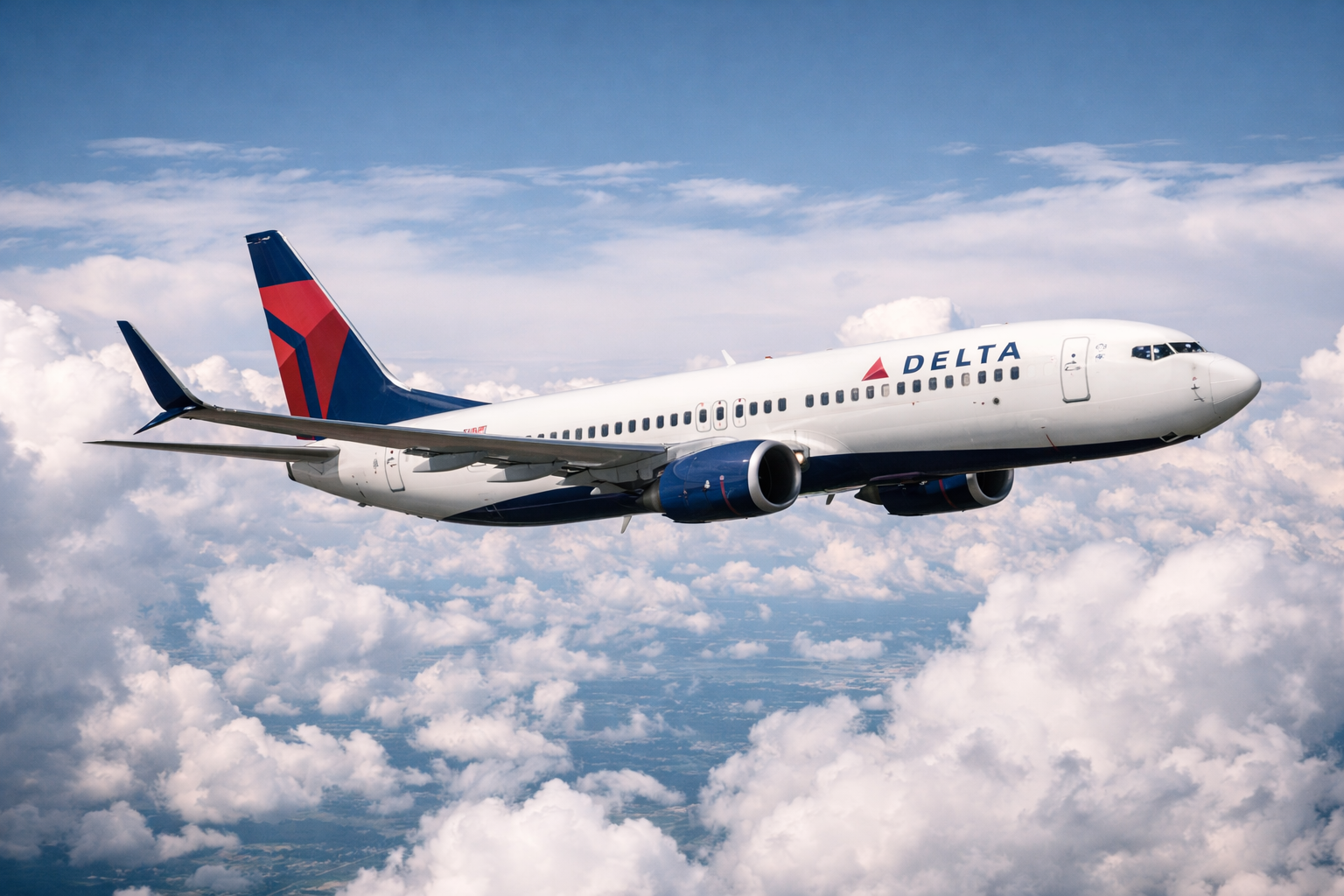
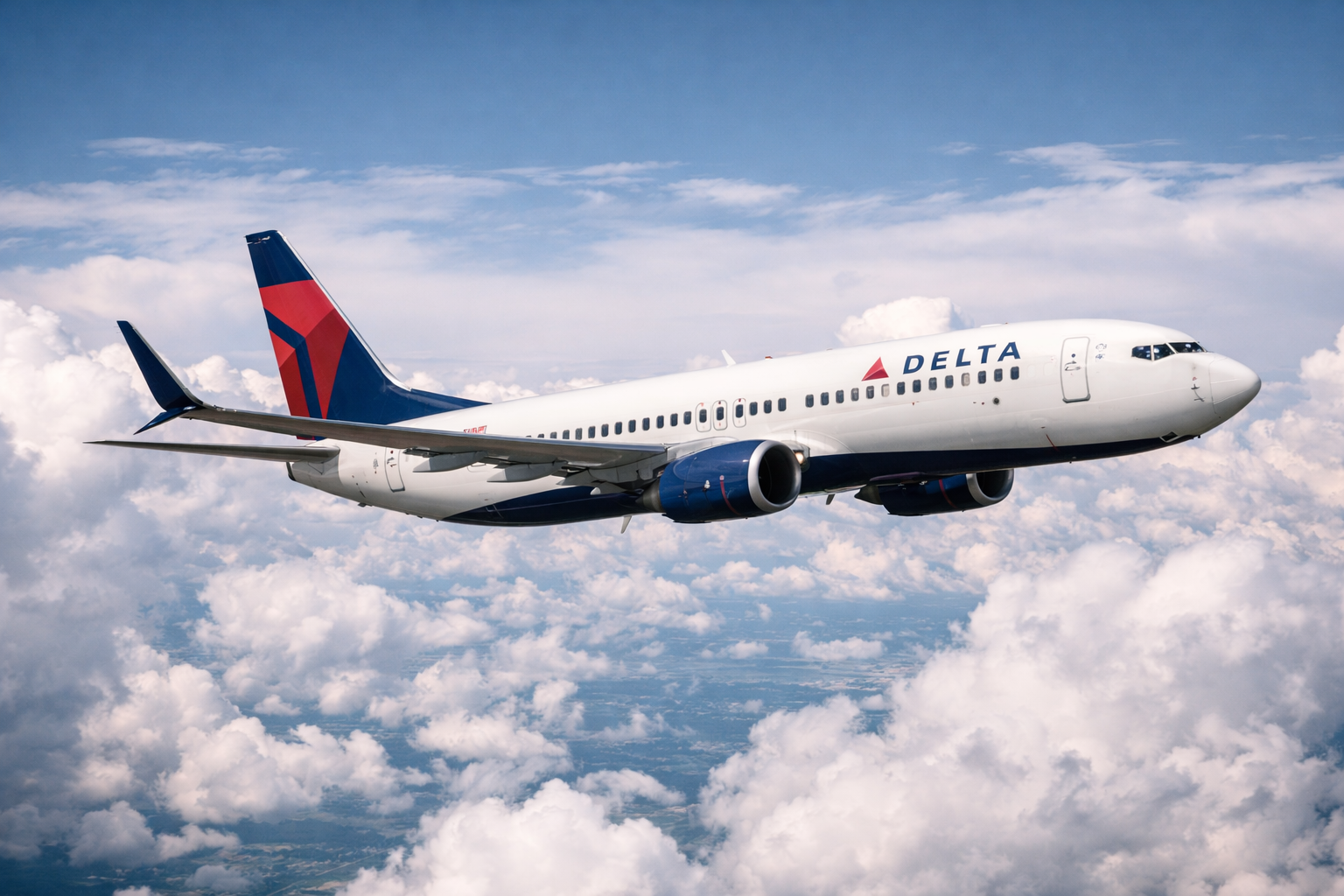
Melius Research analyst Conor Cunningham studied a competitive domestic leisure route and found that a typical 737-800 flight has swung from a $1,500 profit to a $3,900 loss at current fuel prices.
“The math is straightforward,” Cunningham wrote, “fuel costs have nearly doubled while nonfuel costs and revenue are largely fixed, ‘locked in by bookings made before the conflict began.'”
Travel demand holds, but risks loom
Despite the higher costs, US travel demand has not yet declined. Data from the Transportation Security Administration showed 78.54 million passengers screened at airport checkpoints in March, up from 77.23 million a year ago.
TD Cowen analyst Tom Fitzgerald noted that overall air-carrier traffic rose 1% in March, outpacing the 0.5% increase in available seats. However, he warned that the full effect of prolonged high fuel costs may still materialize, potentially curbing travel demand in the months ahead.
“The likelihood of a prolonged period of higher energy prices” has investors concerned about future revenue, Fitzgerald said, prompting him to reduce price targets for several major airlines.
Investor caution intensifies
As the Iran conflict continues to influence crude markets, airlines with higher leverage and fuel sensitivity, including JetBlue Airways and Alaska Air Group, are expected to face the toughest challenges.
TD Cowen lowered its price target for United Airlines to $120 from $140, while maintaining a Buy rating, and highlighted Delta as the most defensive in the current environment.
Fitzgerald emphasized that “further volatility” in oil markets could create both near-term challenges and potential buying opportunities, but the sector faces a delicate balancing act between rising operational costs and sustained travel demand.
With earnings season for airlines beginning April 8 with Delta, investors will closely monitor whether carriers can navigate a landscape of elevated fuel prices and geopolitical uncertainty without eroding profitability.
The post Rising jet fuel costs from Iran conflict threaten US airline profits appeared first on Invezz