
The Future of IoT by 2030: Trends and Predictions

The Internet of Things (IoT) has already transformed how devices communicate, how businesses operate, and how individuals interact with technology. Yet what we’ve seen so far is only the foundation.
By 2030, IoT will no longer be defined simply by “connected devices.” Instead, it will represent intelligent, self-optimizing systems that operate with minimal human intervention. The convergence of artificial intelligence, edge computing, and next-generation connectivity will redefine the very architecture of digital ecosystems.
This article explores the key transformations expected in IoT by 2030, supported by expert insights, current data trajectories, and emerging technological patterns.
The Shift from Connectivity to Intelligence
From Data Collection to Autonomous Decision-Making
In the early phases of IoT, devices primarily collected and transmitted data. By 2030, the emphasis will shift toward real-time decision-making at the device level.
According to Gartner projections, over 75% of enterprise-generated data will be created and processed outside traditional centralized data centers by the end of the decade. This signals a move toward decentralized intelligence.
IoT systems will:
- Analyze data locally using embedded AI models
- React instantly without relying on cloud latency
- Continuously optimize their own performance
Expert Insight
Dr. Samuel Greene, a leading IoT systems architect, explains:
“By 2030, the most valuable IoT systems won’t just report data—they will act on it. Autonomy will be the defining characteristic.”
Edge Computing Becomes the Core Infrastructure
Why the Cloud Alone Is Not Enough
Cloud computing has enabled IoT scalability, but it introduces latency and bandwidth limitations. Edge computing addresses these challenges by processing data closer to the source.
Key developments expected by 2030:
- Edge nodes embedded in factories, cities, and vehicles
- Reduced reliance on centralized cloud systems
- Hybrid architectures combining edge and cloud
Real-World Example
In smart manufacturing, edge-enabled sensors already detect anomalies in milliseconds, preventing equipment failures before they occur. By 2030, such systems will become standard across industries.
AI and IoT: The Rise of Intelligent Ecosystems
AIoT as the New Standard
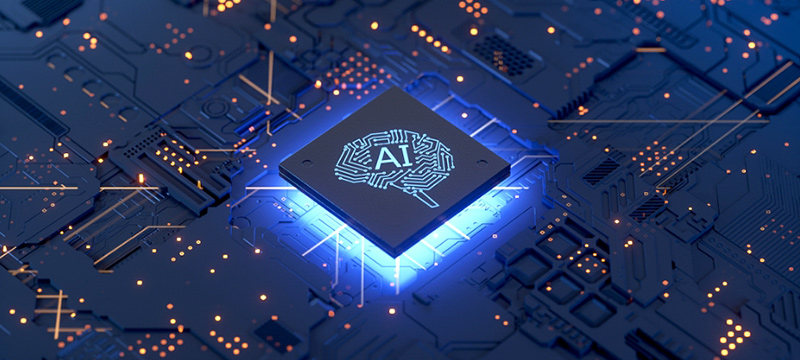
The integration of AI with IoT—often referred to as AIoT—will fundamentally reshape how systems operate.
Capabilities will include:
- Predictive analytics with near-perfect accuracy
- Self-healing networks
- Context-aware automation
AI models will increasingly run directly on devices, enabled by advances in hardware acceleration and model compression.
At the same time, access to advanced AI tools is becoming more democratized. Even non-technical users can now experiment with automation and data-driven workflows using platforms such as ai chat gpt free, which reflects a broader shift toward accessible intelligence across digital ecosystems.
The Role of Generative AI
Generative AI will play a critical role in:
- Automating device configuration
- Generating code for IoT systems
- Enhancing human-machine interaction
Hyperconnectivity: 5G, 6G, and Beyond
The Backbone of Future IoT
Connectivity remains a critical enabler of IoT growth. By 2030, 5G will be fully mature, while early 6G deployments may begin to emerge.
Expected advancements:
- Ultra-low latency (sub-millisecond communication)
- Massive device density (millions per square kilometer)
- Enhanced reliability for mission-critical applications
Impact on Key Sectors
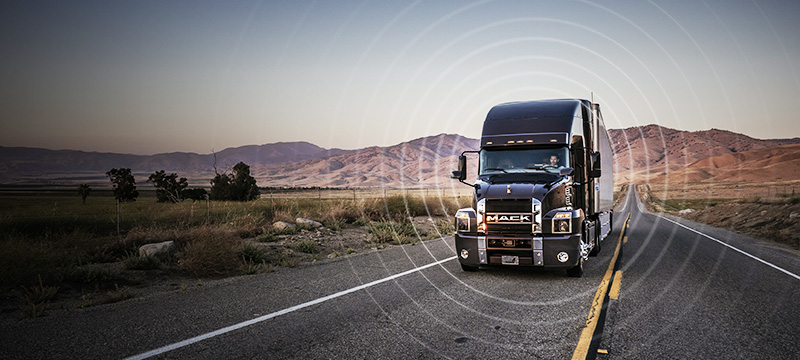
- Autonomous vehicles: Real-time communication between vehicles and infrastructure
- Healthcare: Remote surgeries enabled by ultra-low latency
- Smart cities: Fully integrated urban systems
Digital Twins: Virtualizing the Physical World
What Are Digital Twins?
Digital twins are virtual replicas of physical assets, systems, or environments. By 2030, they will become a standard component of IoT ecosystems.
Applications include:
- Real-time monitoring of infrastructure
- Simulation of complex systems
- Predictive maintenance at scale
Expert Insight
According to Siemens Digital Industries, digital twins can reduce product development time by up to 50% and significantly improve operational efficiency.
Security and Privacy: The Critical Challenge
Expanding Attack Surfaces
As billions of devices come online, the attack surface expands exponentially. IoT security will be one of the most critical challenges of the next decade.
Key concerns:
- Device-level vulnerabilities
- Weak authentication mechanisms
- Data interception risks
Zero Trust Architecture
By 2030, Zero Trust security models will become standard in IoT environments. This approach assumes that no device or user is inherently trusted.
Key principles:
- Continuous verification
- Least-privilege access
- End-to-end encryption
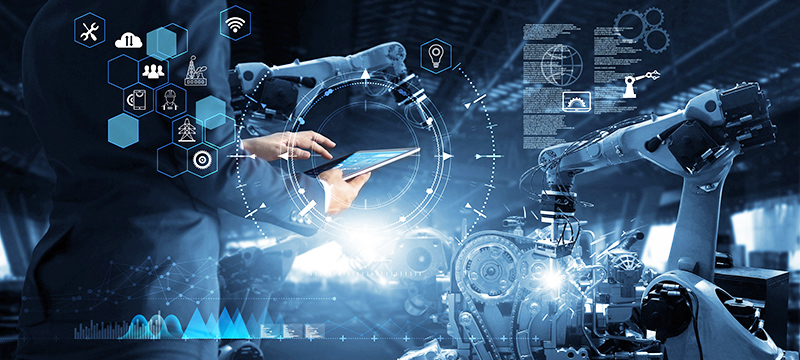
Industrial IoT (IIoT): Redefining Industry
Smart Factories Become Autonomous
Industry 4.0 will evolve into highly autonomous production environments.
Expected features:
- Self-optimizing production lines
- Fully automated quality control
- AI-driven supply chain management
Economic Impact
McKinsey estimates that IoT could generate up to $11 trillion in economic value annually by 2030, with industrial applications accounting for a significant portion.
Smart Cities: From Connected to Cognitive
The Evolution of Urban Infrastructure
Smart cities will transition from connected systems to cognitive ecosystems capable of real-time adaptation.
Examples:
- Traffic systems that dynamically adjust to conditions
- Energy grids that optimize consumption automatically
- Waste management systems using predictive analytics
Sustainability Through IoT
IoT will play a crucial role in achieving sustainability goals:
- Reducing energy consumption
- Optimizing resource allocation
- Monitoring environmental conditions
Healthcare IoT: Personalized and Preventive
From Reactive to Proactive Care
IoT in healthcare will shift from monitoring to prevention.
Key developments:
- Continuous health tracking via wearables
- AI-driven diagnostics
- Remote patient management
Real-World Impact
By 2030, healthcare systems will increasingly rely on IoT data to predict and prevent diseases rather than simply treat them.
Interoperability and Standardization
The Hidden Bottleneck
One of the biggest challenges in IoT today is interoperability—devices from different manufacturers often cannot communicate effectively.
By 2030:
- Unified standards will become more widespread
- Protocols like Matter will expand beyond smart homes
- Cross-platform compatibility will improve significantly
The Human Factor: Changing How We Interact with Technology
Invisible Technology
The most successful IoT systems will be those that fade into the background.
Users will interact less with devices directly and more with outcomes:
- Homes that adjust automatically
- Workspaces that optimize productivity
- Cities that respond to human behavior
Expert Insight
Futurist Dr. Elena Vargas notes:
“The ultimate goal of IoT is not more interaction—it’s less friction. Technology should disappear into the environment.”
Challenges That Could Shape the Future
Despite its potential, IoT faces several barriers:
- Regulatory complexity across regions
- Energy consumption of massive device networks
- Data ownership and ethics
- Infrastructure gaps in developing regions
Addressing these challenges will be critical to unlocking IoT’s full potential.
Conclusion: Toward an Autonomous Digital World
By 2030, IoT will evolve into a deeply integrated layer of global infrastructure. It will no longer be something we “use” but something we live within.
The defining characteristics of this future will include:
- Intelligent, autonomous systems
- Seamless integration between physical and digital worlds
- Continuous, real-time optimization of environments
The transformation is not just technological—it is systemic. Industries will be redefined, cities will become adaptive, and everyday life will become increasingly personalized.
The future of IoT is not about devices.
It is about intelligence embedded everywhere.
The post The Future of IoT by 2030: Trends and Predictions appeared first on IoT Business News.