Why Air India’s turnaround CEO is leaving before the job is done
Campbell Wilson’s resignation as Air India chief executive is striking not because it comes after a failed turnaround, but because it comes in the middle of an unfinished one.
When Tata Group brought him in during 2022, the task was clear: rebuild a former state-run airline that had lost years to underinvestment, weak service and operational drift.
Nearly four years later, Air India looks more ambitious and better capitalised than it did then.
But it is still not consistently profitable, still under regulatory pressure and still trying to restore confidence after last year’s fatal crash.
On Tuesday, Air India confirmed Wilson’s resignation and that he will stay on during a six-month notice period while Tata searches for a successor.
Turnaround that changed direction, but not outcome
Wilson can point to real achievements.
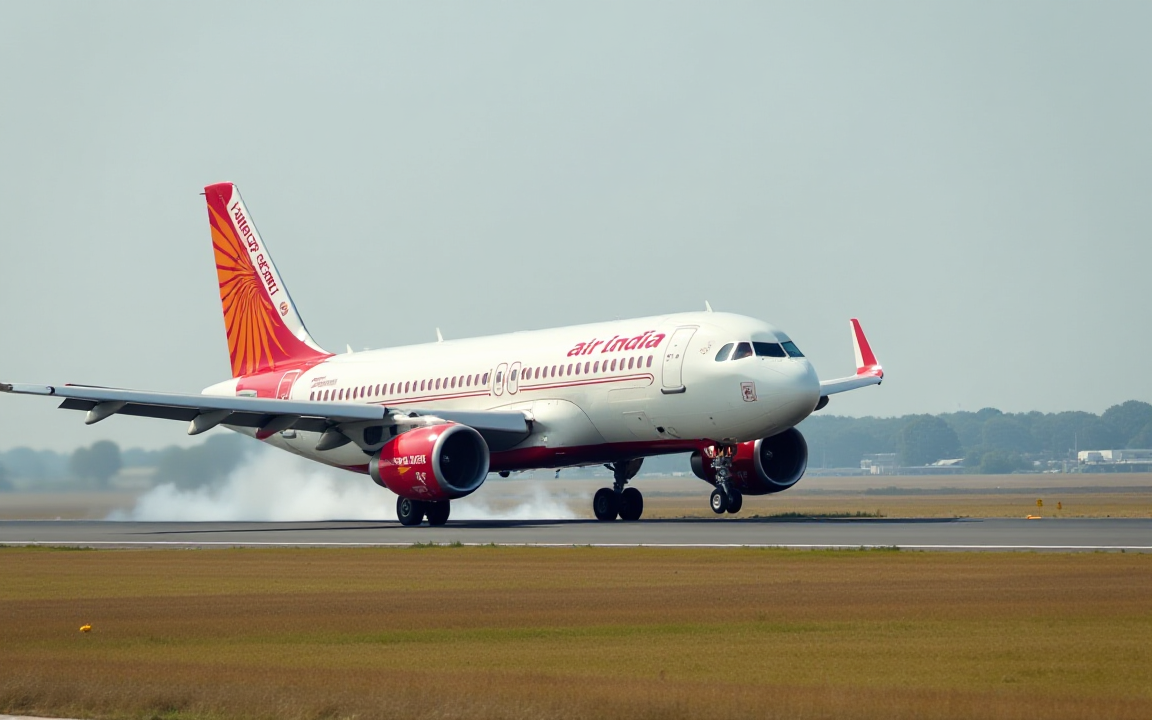
Under his watch, Air India pushed ahead with one of aviation’s boldest fleet renewal plans, operating 191 aircraft while placing orders for more than 500 more.
That was a clear signal that Tata was serious about rebuilding the airline into a credible full-service rival at home and abroad.
But delivery delays and broader supply-chain bottlenecks complicated the airline’s transformation, slowing retrofits and making it harder for the customer experience to improve.
In simple words, the direction changed under Wilson, but passengers and investors are still waiting for the full turnaround to show up consistently.
That helps explain why his exit does not read like a routine leadership move.
Losses, scrutiny and crash raised pressure
The harder question is why Wilson is leaving now.
The answer seems to lie in the pressure that has built up around the job over the past year.
The June 2025 Air India crash killed 260 people and intensified scrutiny of the airline at a moment when it was already dealing with safety-related violations.
Airline turnarounds are shaped by many factors, including aircraft availability, fuel costs, regulation and geopolitics.
Air India’s finances have also been hit by Pakistani airspace bans and conflict-related disruption in the Middle East, both of which have raised costs and complicated operations.
Still, aviation is an industry where leadership is judged not only by long-term vision, but by operational credibility and public trust.
Once an airline is under the spotlight for safety and reliability, the burden on management rises sharply.
A shift from rebuild to execution mode
There were signs before this week that a transition was already being considered.
As per reports, Air India’s board had begun looking for a new chief executive in January, suggesting the succession process was not a sudden reaction to one event but part of a longer discussion.
Wilson may have been the right executive for phase one of Air India’s revival, which included stabilising the airline, setting a direction and signalling ambition to customers.
But phase two is different. It is about execution, operational discipline, safety oversight and converting heavy investment into measurable performance.
The post Why Air India’s turnaround CEO is leaving before the job is done appeared first on Invezz