Why SpaceX is desperate to own Cursor before year-end
SpaceX’s deal with Cursor is less a conventional takeover bet than a race against the calendar.
The Elon Musk-led company has secured the right to buy the AI coding startup for $60 billion later this year, or pay $10 billion for the partnership if it walks away.
With SpaceX preparing for a blockbuster IPO as early as June, the message to Wall Street is hard to miss.
Musk wants the market to see his company not just as a rocket maker, but as an AI platform too.
The deal nobody expected
The announcement formalises a relationship that had already been building behind the scenes.
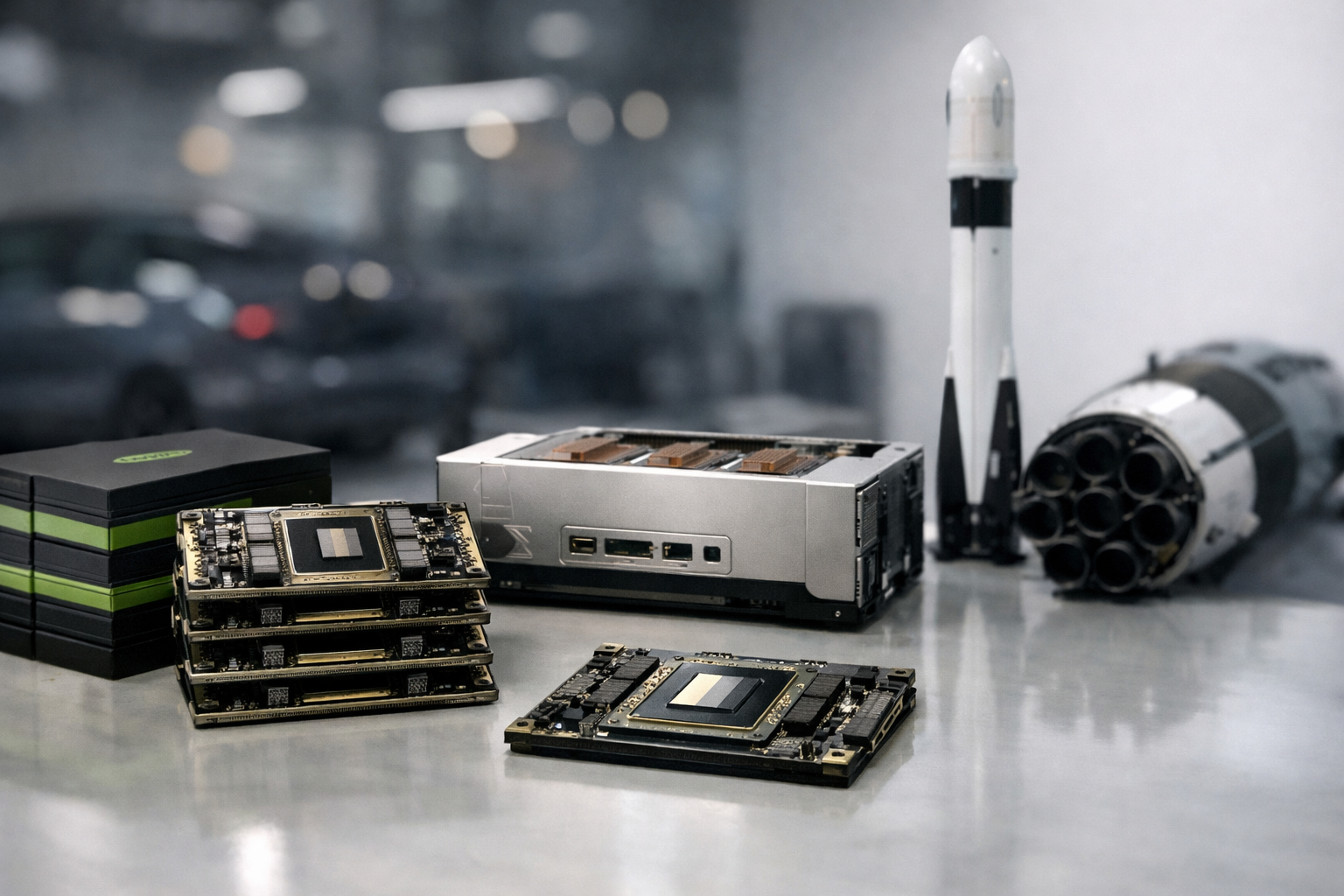
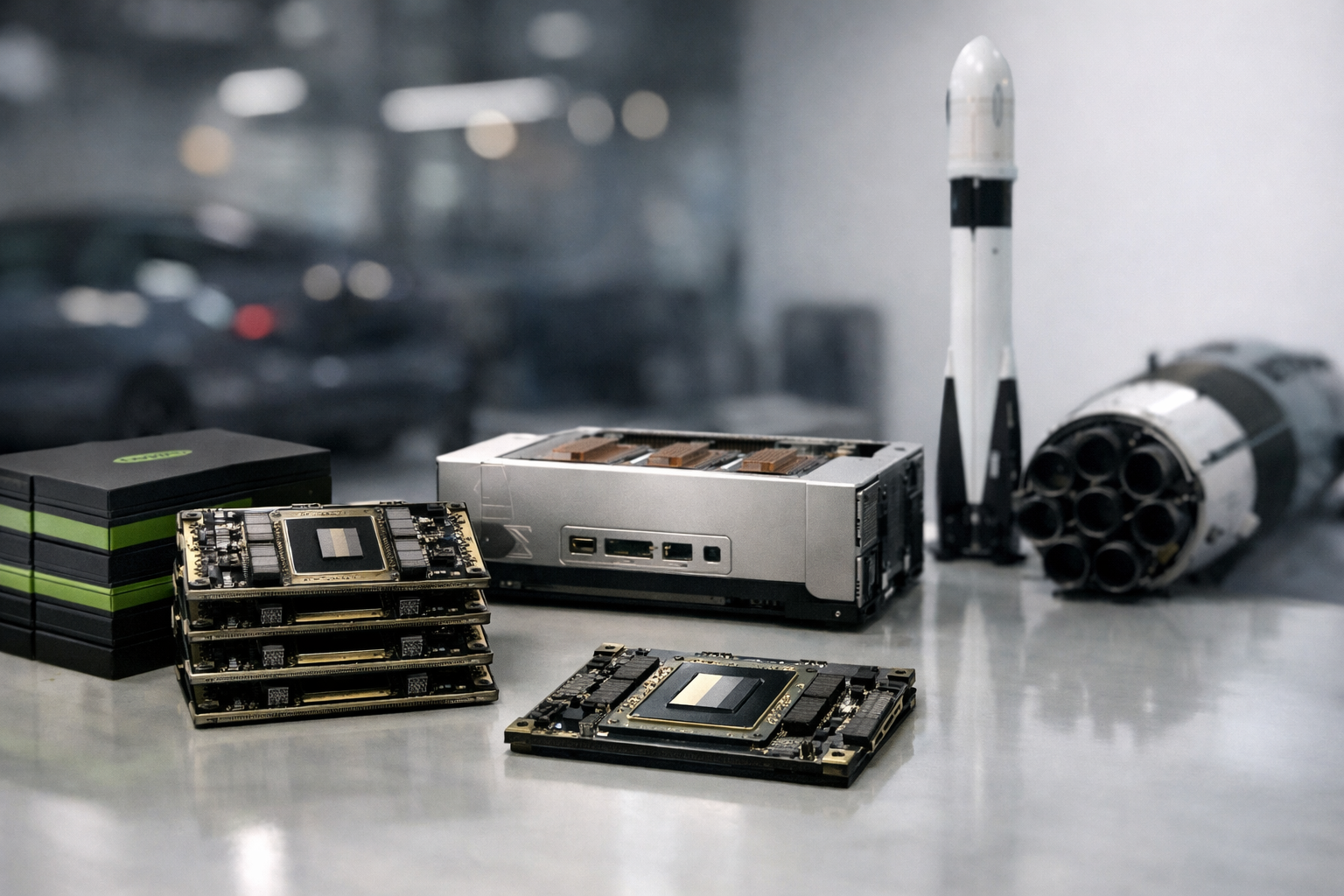
SpaceX said the arrangement would combine Cursor’s product and reach among expert software engineers with its Colossus training cluster, which it described as a million H100-equivalent supercomputer.
Two Cursor engineering leaders had already joined SpaceX in March to work on lunar projects and xAI, Musk’s AI startup that is now part of SpaceX.
In that sense, the deal looks less like a sudden pivot than the public unveiling of something already in motion.
Cursor’s rise helps explain why SpaceX is moving now.
The startup raised $2.3 billion in November 2025 at a $29.3 billion valuation, and crossed $1 billion in annualised revenue.
By March, Cursor was in talks for a new round that could value it at about $50 billion, underlining how quickly the company’s price had been moving upward.
Also read- OpenAI, SpaceX IPOs: what investors need to know about private pricing
The $60 billion question
On paper, the $60 billion option looks less like a simple acquisition price than a ceiling.
SpaceX is effectively paying to lock in a valuation before Cursor climbs further, especially if the company continues to benefit from surging demand for AI coding tools.
That matters because Cursor is not a side project in the market’s eyes anymore.
It is one of the names investors now cite alongside OpenAI’s coding ambitions, Anthropic’s tools and GitHub Copilot’s long-running lead in the developer market.
The compute angle is just as important.
Cursor has been racing to build more capable models, and SpaceX brings what it calls Colossus, the giant Memphis cluster that Musk’s AI businesses have already positioned as a strategic asset.
In practical terms, the deal gives Cursor access to the kind of infrastructure that can shorten the gap between a popular coding tool and a frontier AI product.
For SpaceX, it also creates leverage, as if the company ends up owning Cursor outright, it gets a higher-value software asset; if not, it still locks in a lucrative working relationship.
The IPO shadow hanging over everything
The timing is the real tell. SpaceX plans to launch its IPO roadshow the week of June 8 and host a major retail investor event on June 11, with a prospectus due in late May.
The company is targeting a valuation of up to $1.75 trillion and a $75 billion fundraise, which would put it among the largest listings in market history.
Against that backdrop, owning Cursor would help SpaceX tell a much bigger story to investors that it is not just launch vehicles and satellites, but a broader stack of AI, compute, and software infrastructure.
The post Why SpaceX is desperate to own Cursor before year-end appeared first on Invezz