
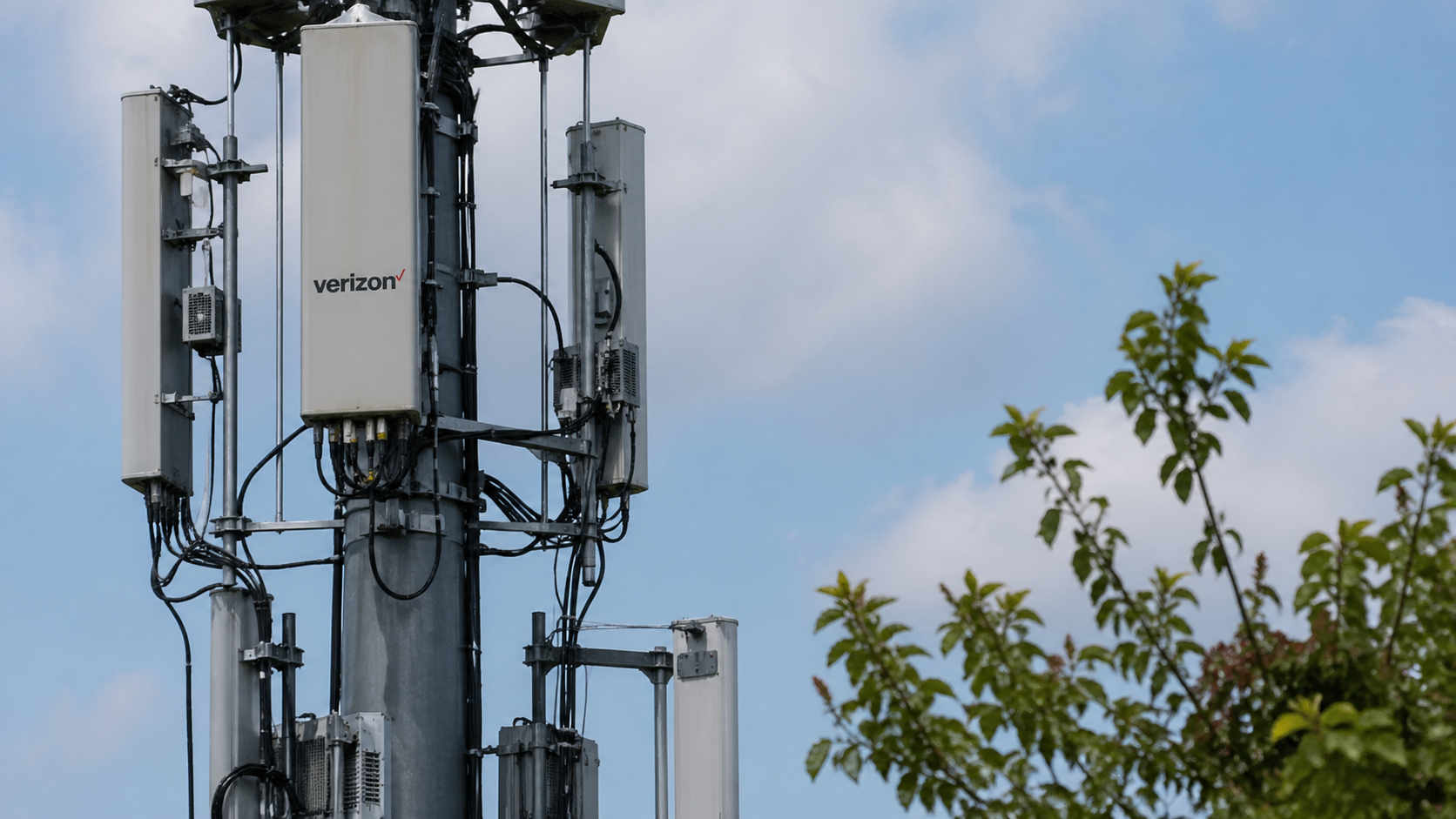
Verizon stock: why are investors ignoring Q1 revenue miss
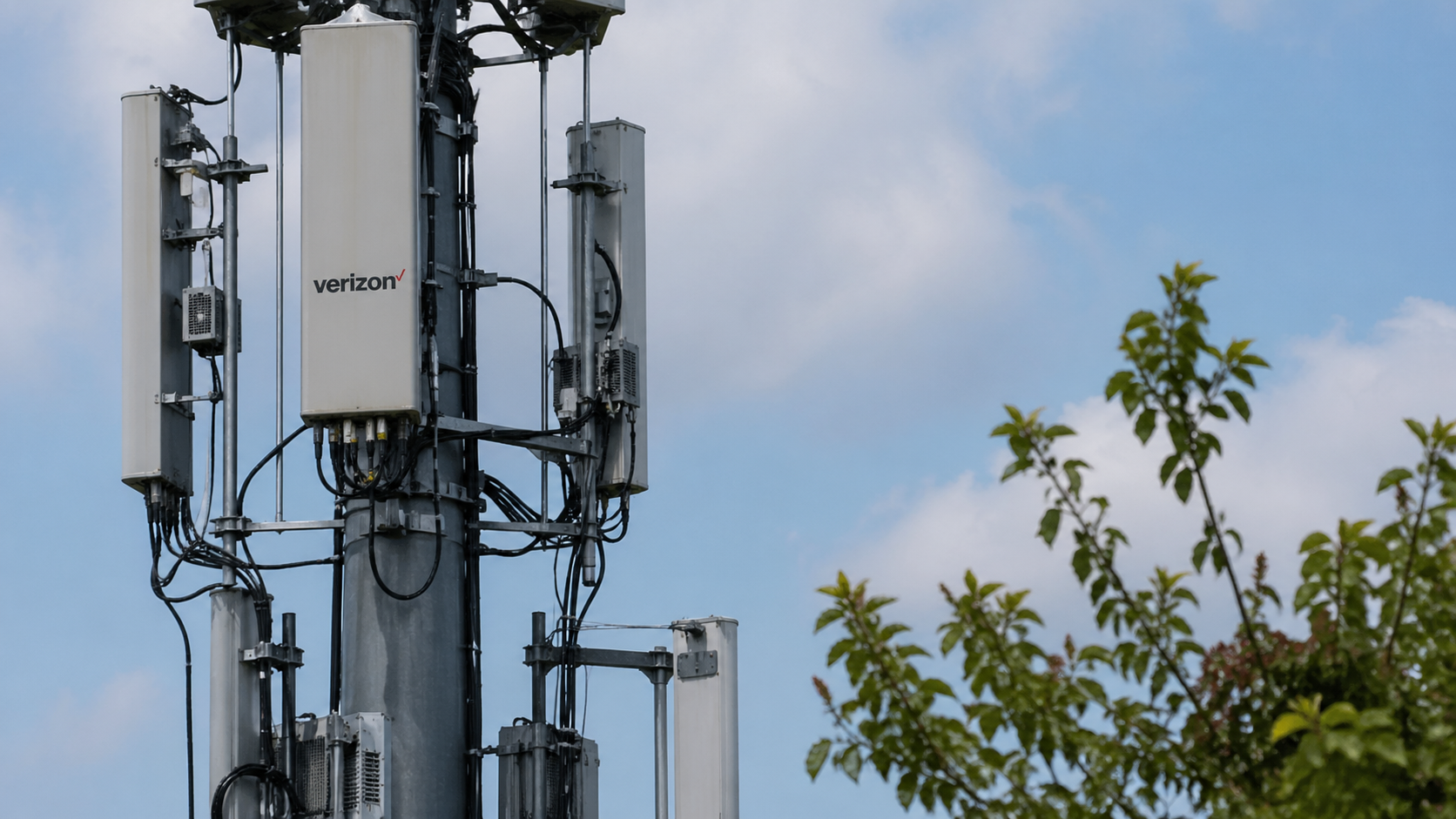
Verizon (NYSE: VZ) is pushing higher on Apr. 27, even though the telecommunications giant came in slightly shy of revenue estimates for its first financial quarter.
While the top-line number of $34.4 billion narrowly missed the consensus of roughly $35 billion, the post-earnings momentum helped VZ break above its 20-day moving average (MA) on Monday.
This signals a shift in near-term momentum in favour of the bulls.
At writing, Verizon stock is up some 20% versus its YTD low already, but the Q1 release offered ample reasons to expect more from it as the year unfolds.
Why is Verizon stock rallying after Q1 earnings?
VZ shares are in “green” primarily because the firm recorded 55,000 postpaid phone net additions against expectations of a “net loss”.
For the NYSE-listed giant, Q1 is seasonally the most difficult for growth, yet the report on Monday marked its first positive first-quarter for postpaid phone net additions since 2013.
Under the leadership of CEO Dan Schulman, Verizon’s “Value” and “myPlan” offerings are finally resonating with a price-conscious consumer base.
By focusing on “higher-quality” subscribers and reducing churn, VZ is proving it can grow its core mobile business without relying on aggressive (and expensive) promotional wars that often erode margins.
This fundamental shift in customer acquisition is a significant “buy” signal for long-term investors.
Diversification is driving VZ shares higher
Verizon shares are soaring, also on management’s commitment to transforming the company into a broadband powerhouse.
In Q1, the NY-headquartered firm saw 341,000 total broadband net additions – fuelled largely by its Fixed Wireless Access (FWA) service, which accounted for 214,000 of those gains.
This tech enables VZ to beam “high-speed” 5G internet directly into homes and businesses without the massive capital expenditure of laying fiber-optic cables.
Simply put, with the recent integration of Frontier assets, Verizon is scaling its fiber footprint alongside its wireless internet.
This dual-threat approach creates a diversified recurring revenue stream that Wall Street seems to find far more attractive than one-off hardware sales.
How to play Verizon after first-quarter earnings?
The real story for the “bottom-line” crowd is the record $13.4 billion in adjusted EBITDA, the highest quarterly result in the company’s history.
By cutting selling, general, and administrative (SG&A) expenses by 3.1%, Verizon demonstrated incredible operating leverage.
Management was so confident in this efficiency that they raised their full-year 2026 adjusted EPS guidance to a range of $4.95 to $4.99, up from the previous ceiling of $4.95.
For income-focused investors, this profitability supports a robust 5.93% dividend yield, which has now been raised for 21 consecutive years.
In a market where cash flow is king, VZ stock’s ability to grow earnings by 7.6% year-on-year far outweighs a minor hiccup in quarterly revenue, especially when postpaid phone net adds are now seen hitting as much as 1 million in 2026.
The post Verizon stock: why are investors ignoring Q1 revenue miss appeared first on Invezz