
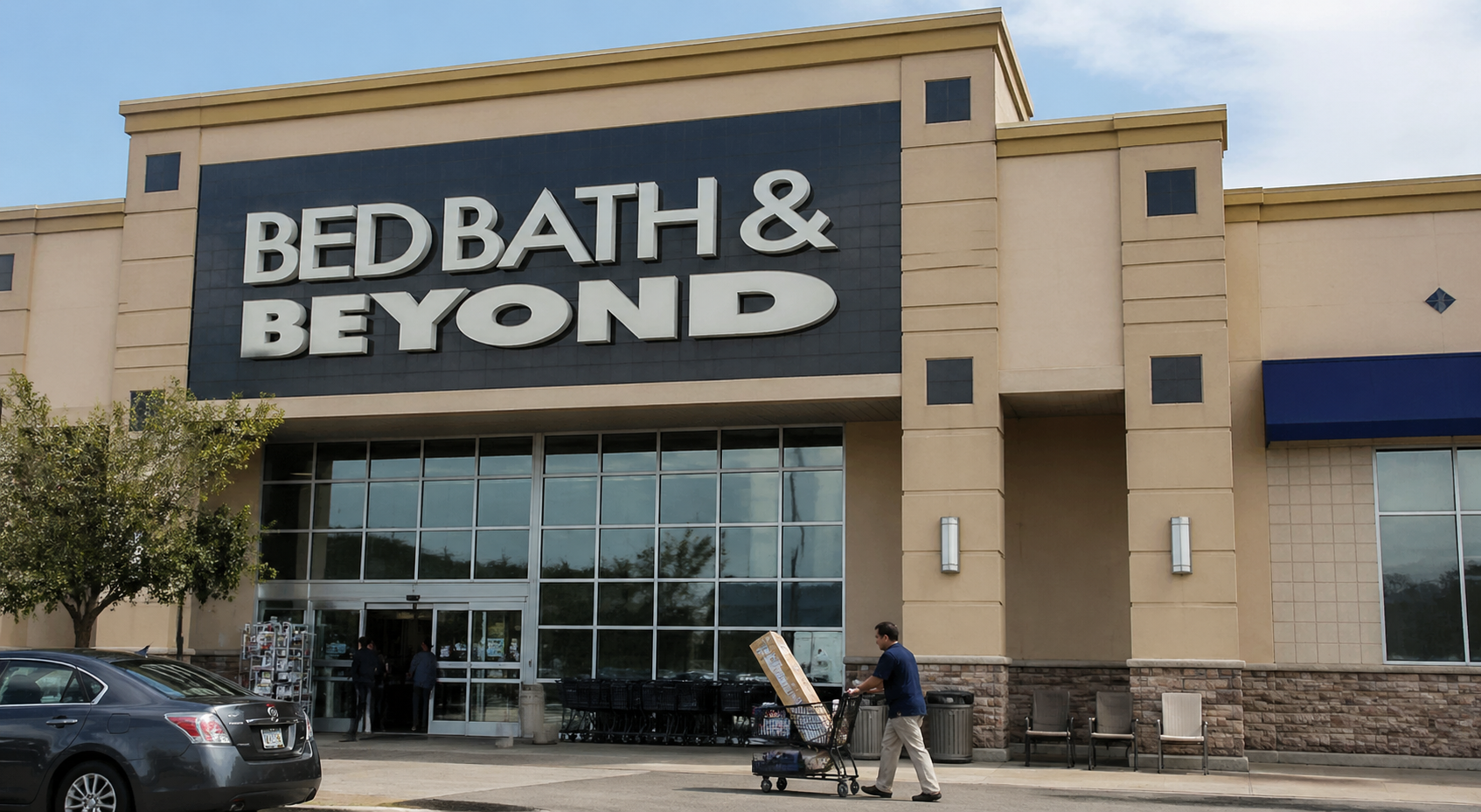
What made Bed Bath & Beyond stock pare back its entire Q1 earnings gain?
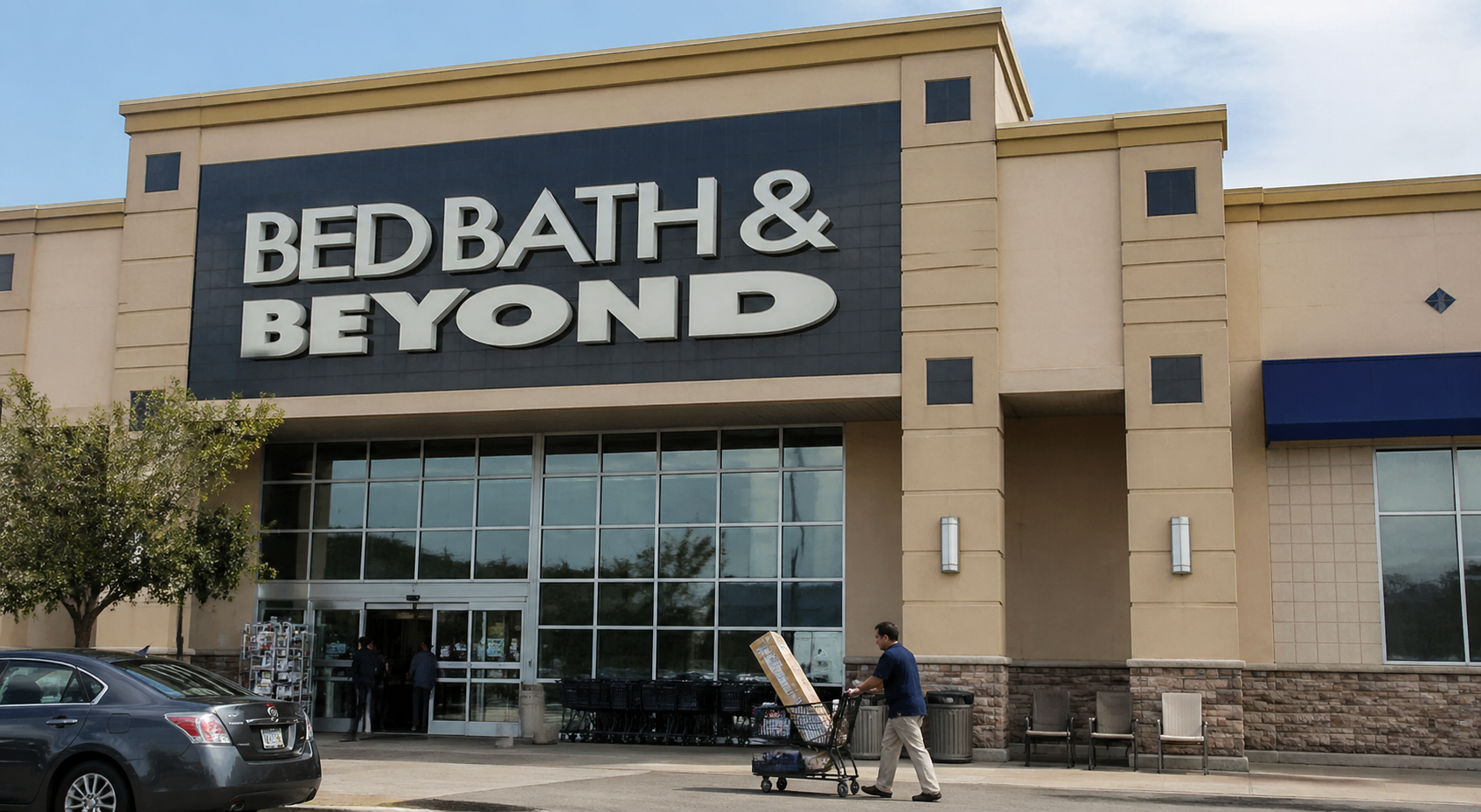
Bed Bath & Beyond (NYSE: BBBY) rallied as much as 35% on Tuesday morning after posting its Q1 earnings that signalled the company’s long-term turnaround strategy is gaining traction.
Despite the post-earnings momentum, BBBY’s relative strength index (RSI) sits in the early 60s – indicating potential for further upside ahead.
At its intraday peak, Bed Bath & Beyond stock was seen hovering around its year-to-date high of $7.42.
Why Bed Bath & Beyond stock rallied today
BBBY shares soared on Apr. 28 mostly because the company reported a 7% increase in Q1 revenue to about $248 million (9.4% growth when excluding discontinued Canadian operations).
This is a major milestone as it marks the first year-over-year revenue growth in 19 quarters (nearly five years).
And while Bed Bath & Beyond still posted a net loss of $0.25 per share, investors are focusing on the narrowing deficit; net loss improved by $24 million, and the firm reached its lowest operating cost structure in over 12 years.
Sentiment is being bolstered by the integration of recent acquisitions and future plans as well – the Kirkland’s acquisition is beginning to contribute to the top-line.
Plus, management’s plans of acquiring “The Container Store” are being treated as a move towards creating a connected home ecosystem, which experts believe will drive not just higher margins but “Everything Home” market share.
Why BBBY shares pared back their entire gain
While the initial reaction to the Q1 release was largely positive, Bed Bath & Beyond shares pared back their entire gain just hours after market open due to specific concerns raised on the earnings call.
According to BBBY management, while the trend is positive, the path to profitability will “not be linear.”
The mention that Q2 will be an “integration quarter” – not a “fully synergized quarter” signaled to the market that the next few months might see a stall in margin expansion as it folds in the new home service assets.
While revenue has started growing, investors are digesting the costs associated with recent buyouts (Kirkland’s, F9 brand assets, The Container Store).
They’re concerned because integration and transaction costs will weigh heavily on the bottom line, and the shift from being a simple retailer to an aggregator of home services adds another layer of execution risk that wasn’t fully baked into the initial stock price reaction.
What else is hurting Bed Bath & Beyond Inc?
BBBY stock has been building momentum leading up to the Q1 report.
Therefore, once it reached previous highs, the aforementioned concerns made institutional and retail traders hit “sell” to lock in profits.
And when the price failed to hold the $7.1 level, it likely triggered a wave of technical selling that accelerated the sell-off.
Moreover, since Bed Bath & Beyond’s new strategy relies heavily on the housing ecosystem, the stock is particularly sensitive to the Federal Funds Rate, which sits near 3.75% currently.
Any signal that rates will stay higher for longer due to the US-Iran conflict will threaten the success of its “Everything Home” plan, a macroeconomic headwind that’s also making investors take profit today.
The post What made Bed Bath & Beyond stock pare back its entire Q1 earnings gain? appeared first on Invezz