Why Tesla stock is jittery as Elon Musk visits Beijing
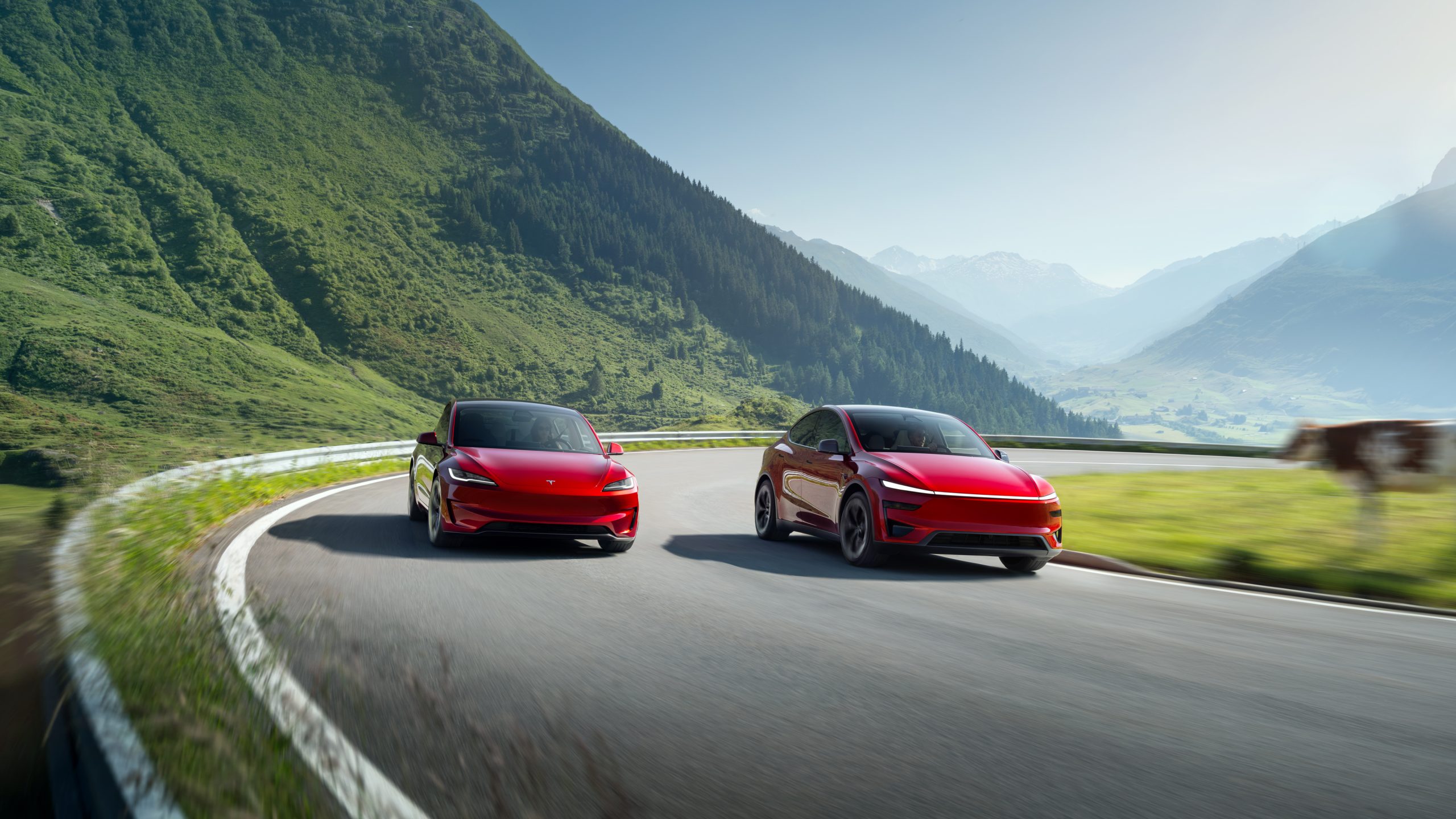
Tesla stock (TSLA) traded choppily on Thursday as investors continued to focus on the company’s autonomous driving ambitions in China and the potential for broader artificial intelligence monetization.
The stock briefly rose early in the session before turning slightly negative.
Despite the muted move, Tesla shares entered Thursday having risen in five of the previous six trading sessions, gaining more than 14% over that stretch.
The broader market moved higher, with the S&P 500 up 0.4% and the Dow Jones Industrial Average gaining 0.6%.
China FSD approval remains key focus
Much of the recent momentum in Tesla shares has been driven by growing optimism that Chinese regulators may soon approve the company’s Full Self-Driving software.
FSD is Tesla’s AI-trained driver-assistance system that can handle most driving tasks under human supervision and forms the technological foundation for the company’s broader robo-taxi ambitions.
Investors increasingly view autonomous driving as one of Tesla’s most important future revenue streams, particularly as growth in the traditional electric vehicle business slows and competition intensifies globally.
Tesla launched its robo-taxi service in Austin in June and has since expanded operations to four US cities, though the rollout has progressed more slowly than many investors originally expected.
That slower pace has raised concerns about how quickly Tesla can scale autonomous ride-hailing services and generate meaningful profits from AI-driven transportation.
Musk joins Trump delegation in Beijing
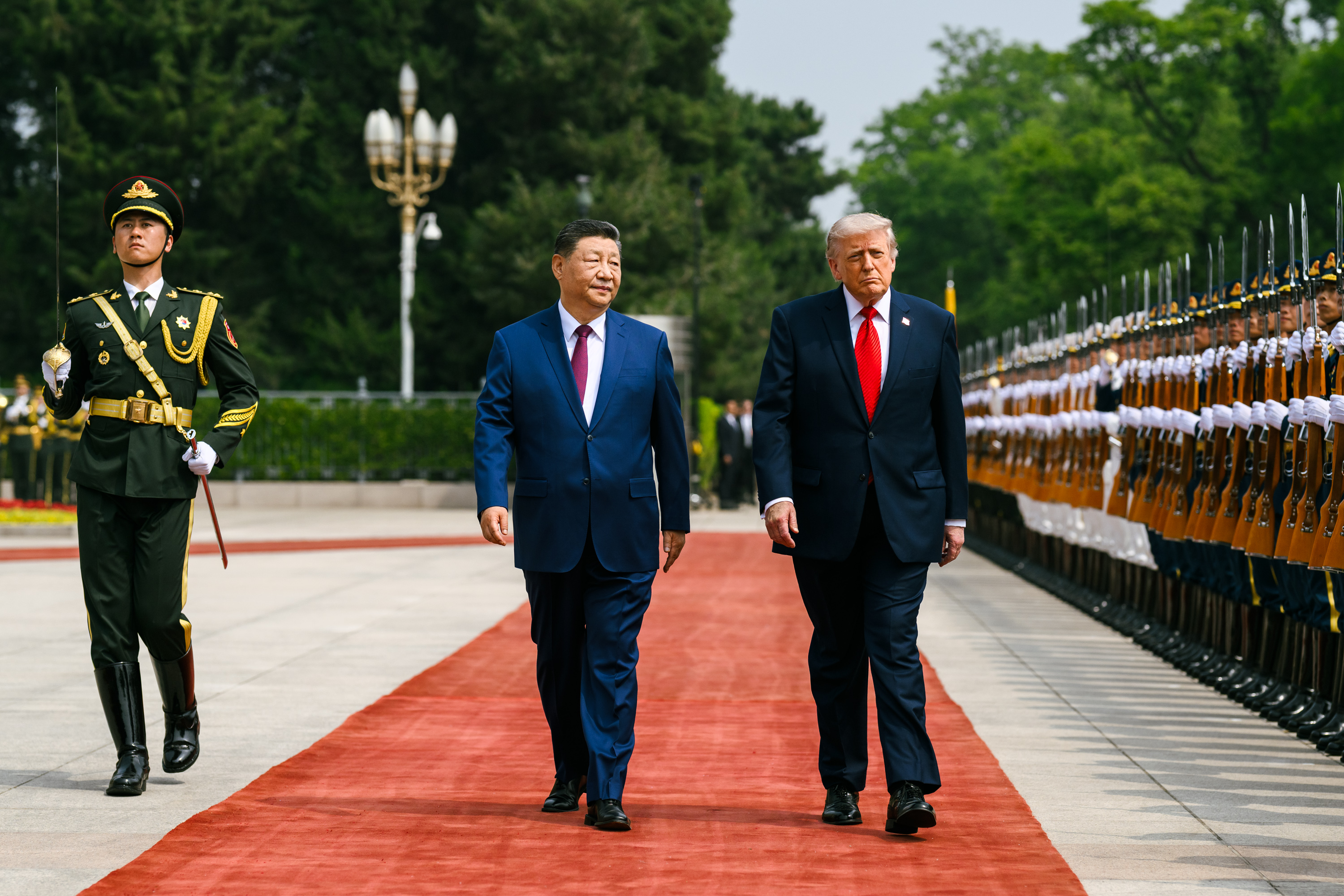
Investor attention also remained fixed on Chief Executive Elon Musk’s participation in US President Donald Trump’s visit to China.
Musk joined a high-profile delegation of American business leaders meeting Chinese President Xi Jinping in Beijing.
The group included Jensen Huang, Tim Cook, and executives from several major US corporations.
According to Chinese state media, Xi told the executives that China’s market would “only open wider and wider” and emphasized support for stronger commercial cooperation between China and the United States.
The comments were viewed positively by investors hoping for improved business conditions for American technology companies operating in China.
Musk briefly told reporters that “many good things” were happening during the visit.
China remains one of Tesla’s most strategically important markets, particularly for autonomous driving and software-related growth.
A regulatory green light for FSD in China would significantly expand Tesla’s software revenue opportunity and strengthen its broader AI narrative.
AI narrative continues to drive valuation
Investor focus has increasingly shifted away from Tesla’s near-term vehicle deliveries and toward the company’s broader “physical AI” strategy.
That strategy includes autonomous driving systems, robo-taxis, and humanoid robotics projects such as Optimus.
While improving sales trends in parts of Europe and China have helped stabilize sentiment recently, Tesla’s valuation continues to depend heavily on investor confidence in its ability to commercialize AI technologies at scale.
The company’s ability to expand robotaxi operations, secure regulatory approvals internationally, and demonstrate progress in autonomous driving remains central to long-term investor expectations.
The post Why Tesla stock is jittery as Elon Musk visits Beijing appeared first on Invezz