
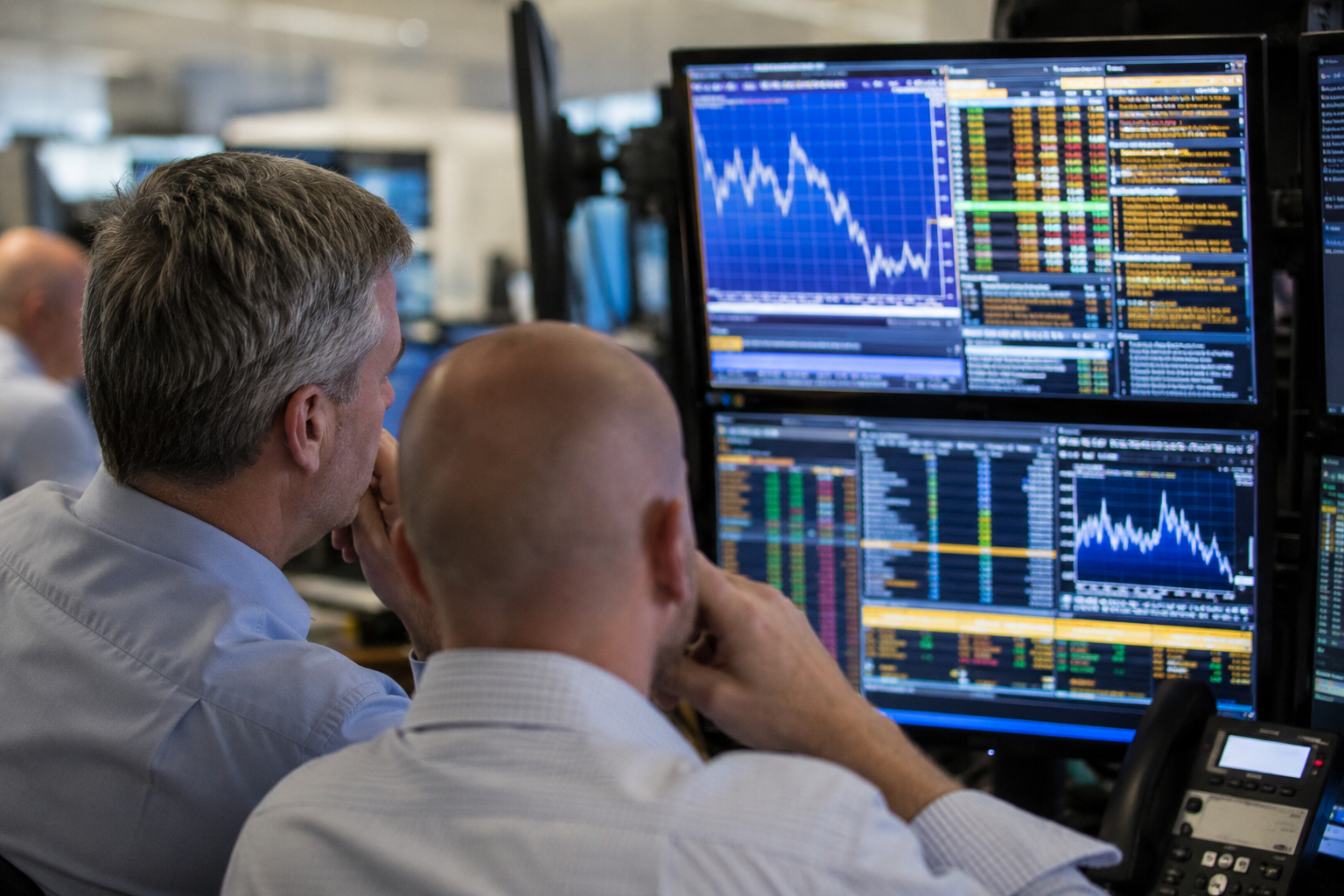
Samsung’s earnings send a warning ahead of Big Tech results: brace for volatility
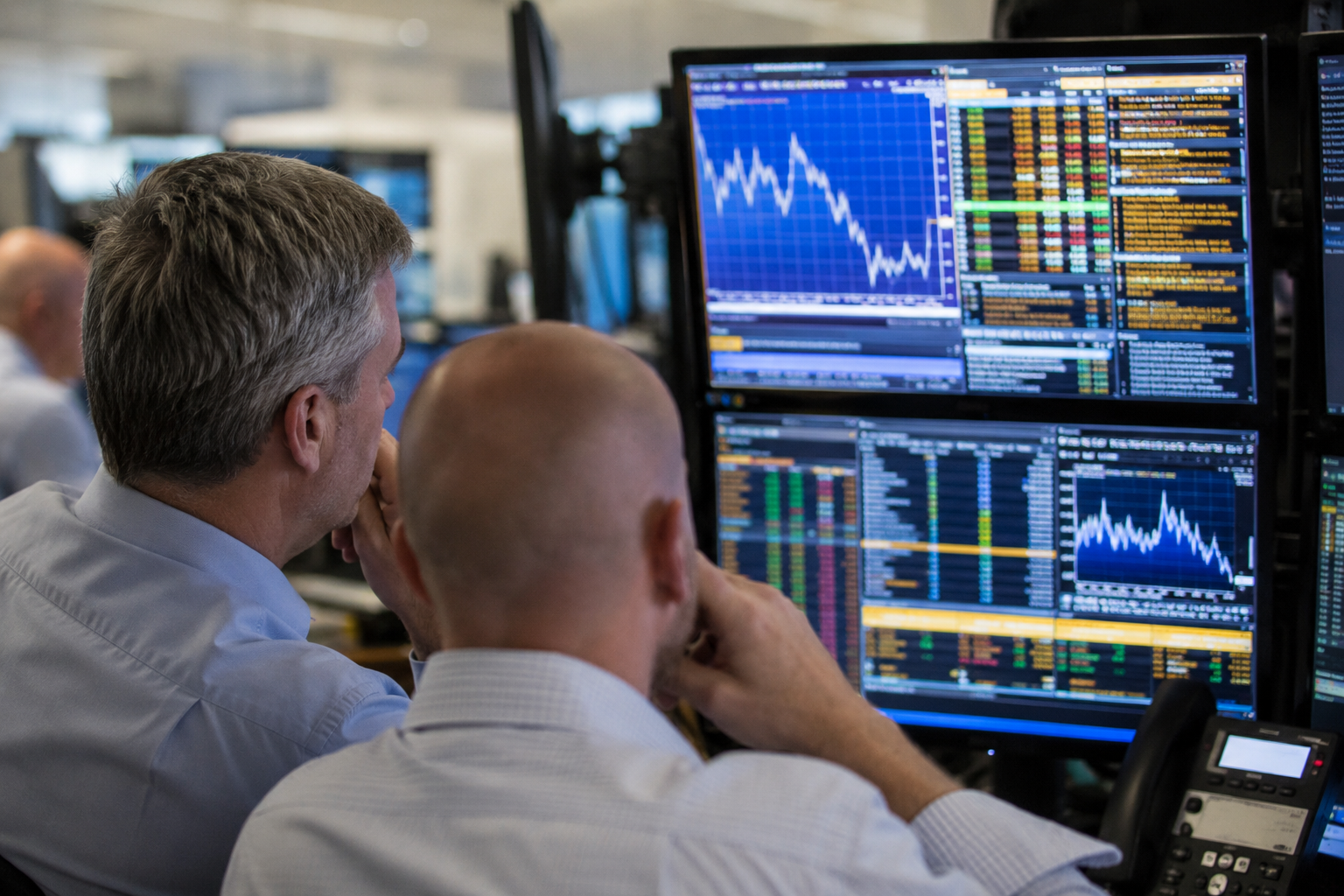
Samsung Electronics delivered blockbuster quarterly earnings, but its sharp share-price decline may have offered investors a more important message than the results themselves: in a market driven by artificial intelligence, strong numbers are no longer enough.
The South Korean technology giant reported a near 20-fold increase in second-quarter operating profit and roughly doubled revenue from a year earlier, comfortably beating Wall Street expectations.
Yet the stock closed about 7% lower on Tuesday, triggering a broader selloff across global semiconductor stocks and raising fresh questions about whether the AI-driven rally is entering a more demanding phase.
With the US earnings season set to gather pace later this month, the market’s reaction to Samsung suggests investors are increasingly focused on companies not only beating expectations but also raising forecasts and convincing investors that the AI boom can continue delivering outsized returns.
Investors demand more than earnings beats; fatigue setting in
Markets have entered what many analysts describe as a “beat and raise” environment, where simply exceeding analyst estimates is no longer sufficient to justify elevated valuations.
Samsung guided for second-quarter operating profit of 89.4 trillion won, a 19-fold increase from a year earlier.
While the earnings comfortably surpassed consensus estimates, investors appeared more inclined to lock in gains after the stock had surged 382% over the previous 12 months.
The stock is currently trading at 52.2 times earnings, up from 18.2 times at the end of 2025, according to CompaniesMarketCap data.
Investors use price-to-earnings multiples to assess a company’s valuation relative to the earnings it is expected to generate.
With the growth of online trading apps, tracking such metrics has become significantly easier and more accessible to market participants.
“Results were ‘only’ 6% ahead of estimates, and it seems to have brought in a bout of profit-taking,” Deutsche Bank analyst Jim Reid wrote in a research note on Tuesday.
The market’s response is increasingly being interpreted as evidence of growing fatigue toward AI-related stocks after a blistering rally fueled by heavy spending on artificial intelligence infrastructure and semiconductor demand.
Rather than celebrating another strong earnings report, investors appeared to question whether future growth can continue to justify lofty valuations.
A key test for US technology giants as earnings loom
Samsung’s results have heightened attention on the earnings reports due later this month from US technology leaders, particularly the hyperscalers within the Magnificent Seven and semiconductor companies that have led much of the market’s gains this year.
Goldman Sachs chief US equity strategist Ben Snider estimates that Nvidia and Micron Technology alone will account for roughly 40% of the S&P 500’s projected earnings growth this quarter, while the broader AI infrastructure ecosystem is expected to contribute nearly two-thirds of the benchmark’s anticipated 22% earnings increase.
Those expectations are exceptionally demanding.
The projected growth rate represents the highest starting point for earnings forecasts in five years, following first-quarter earnings growth of 27% that exceeded Wall Street expectations by roughly 15 percentage points.
Whether companies can once again outperform those already ambitious forecasts has become one of the market’s biggest questions.
Analysts warn expectations may be too high heading into earnings season
Several market strategists believe the risks heading into earnings season lie less in company fundamentals than in investor expectations.
“The big risk up ahead is that technology companies, especially the hyperscalers, won’t beat analysts’ overly optimistic earnings growth estimates for the quarter,” said Ed Yardeni, founder and president of Yardeni Research.
“That could cause a correction among technology stocks,” he added, noting that the “overall stock market might dodge a correction if investors rotate into sectors that have lagged and report better-than-expected earnings.”
Morningstar chief equity market strategist Michael Field also believes Samsung’s share-price reaction illustrates how quickly investor sentiment can spread across the sector.
“The (Samsung) results were in themselves fundamentally good but it seems then to have a knock-on effect at general markets that once people start being negative about Samsung, that negativity extends across markets,” Field said.
“This is the problem coming up to earnings season as well, that we’re likely to see a lot of volatility. The markets are something on a knife-edge going into earnings season.”
Rotation beyond technology gathers pace
The recent weakness in semiconductor stocks has coincided with a broader shift in market leadership.
Healthcare, financial and industrial stocks have outperformed over the past month following the S&P 500’s peak in early June, while many technology sectors have struggled to maintain momentum.
The Dow Jones Industrial Average, which climbed above 53,000 for the first time on Monday, has outperformed both the S&P 500 and the Nasdaq over the past month with gains of nearly 4.5%.
Meanwhile, the PHLX Semiconductor Index has fallen more than 10% from its June 22 record high, with Micron, Intel, Marvell Technology and Advanced Micro Devices also coming under pressure.
AI enthusiasm enters a more selective phase
For some strategists, Samsung’s earnings mark a turning point in how investors evaluate AI-related companies.
Charu Chanana, chief investment strategist at Saxo Bank, said the earnings could have been a “victory lap” for the AI trade but instead may represent a more cautious phase of the cycle.
“Strong earnings are no longer enough,” she said. “For AI-linked stocks, the market now wants strong earnings, strong guidance and clear evidence that pricing power can last.”
Chanana noted that Samsung’s results confirmed demand for AI memory remains robust, but investors are becoming more disciplined in assessing how long that demand can sustain current valuations.
“This is the stage where earnings can still rise, but valuation becomes harder to defend. The market wants proof that pricing power can last, AI capex fatigue will not bite, and capacity growth will stay disciplined,” she said.
That shift suggests the coming earnings season may determine not whether the AI boom continues, but whether investors remain willing to pay increasingly rich valuations for companies leading it.
The post Samsung’s earnings send a warning ahead of Big Tech results: brace for volatility appeared first on Invezz