Retail investors are flooding into this recently launched AI-themed ETF
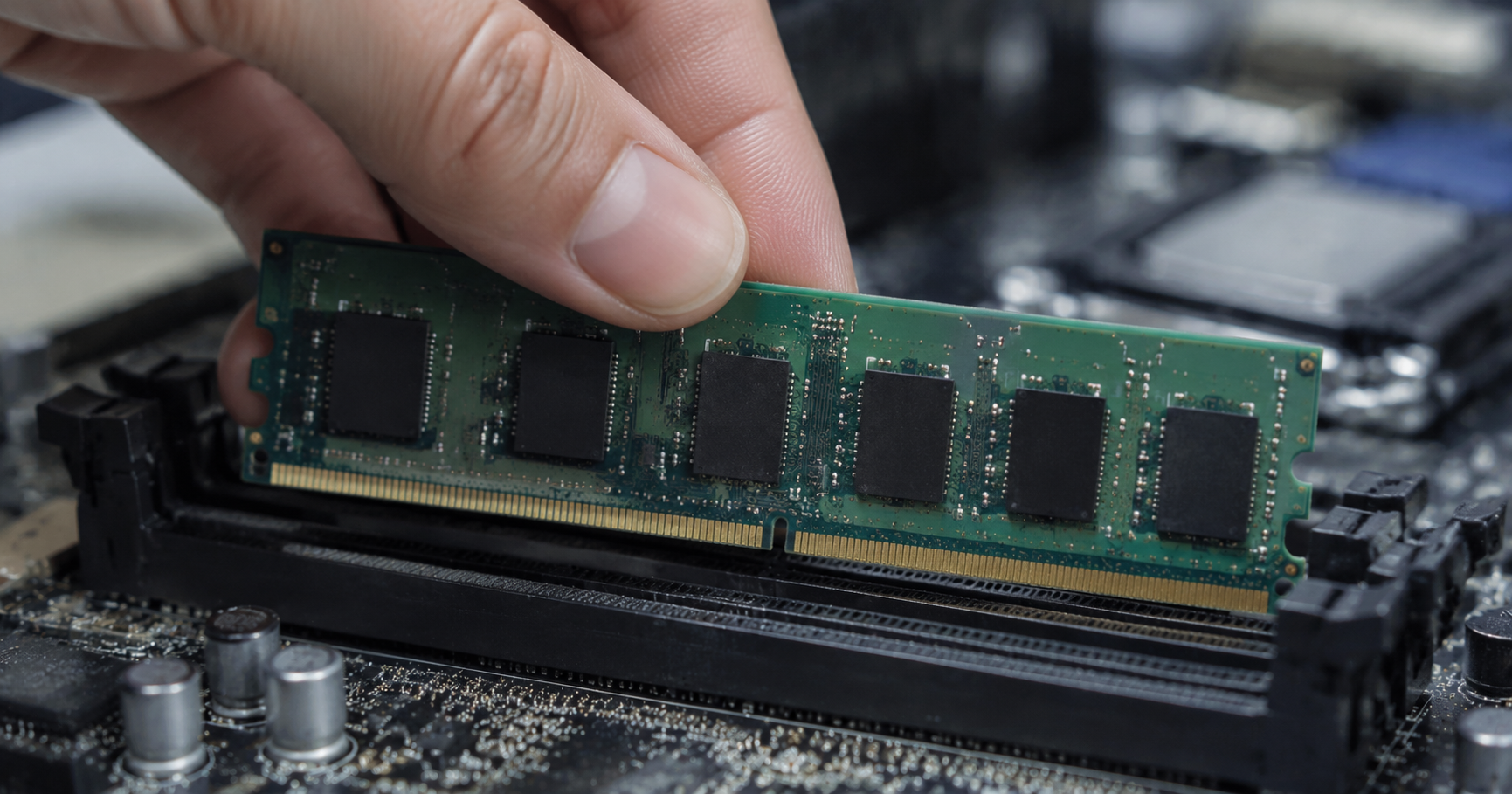
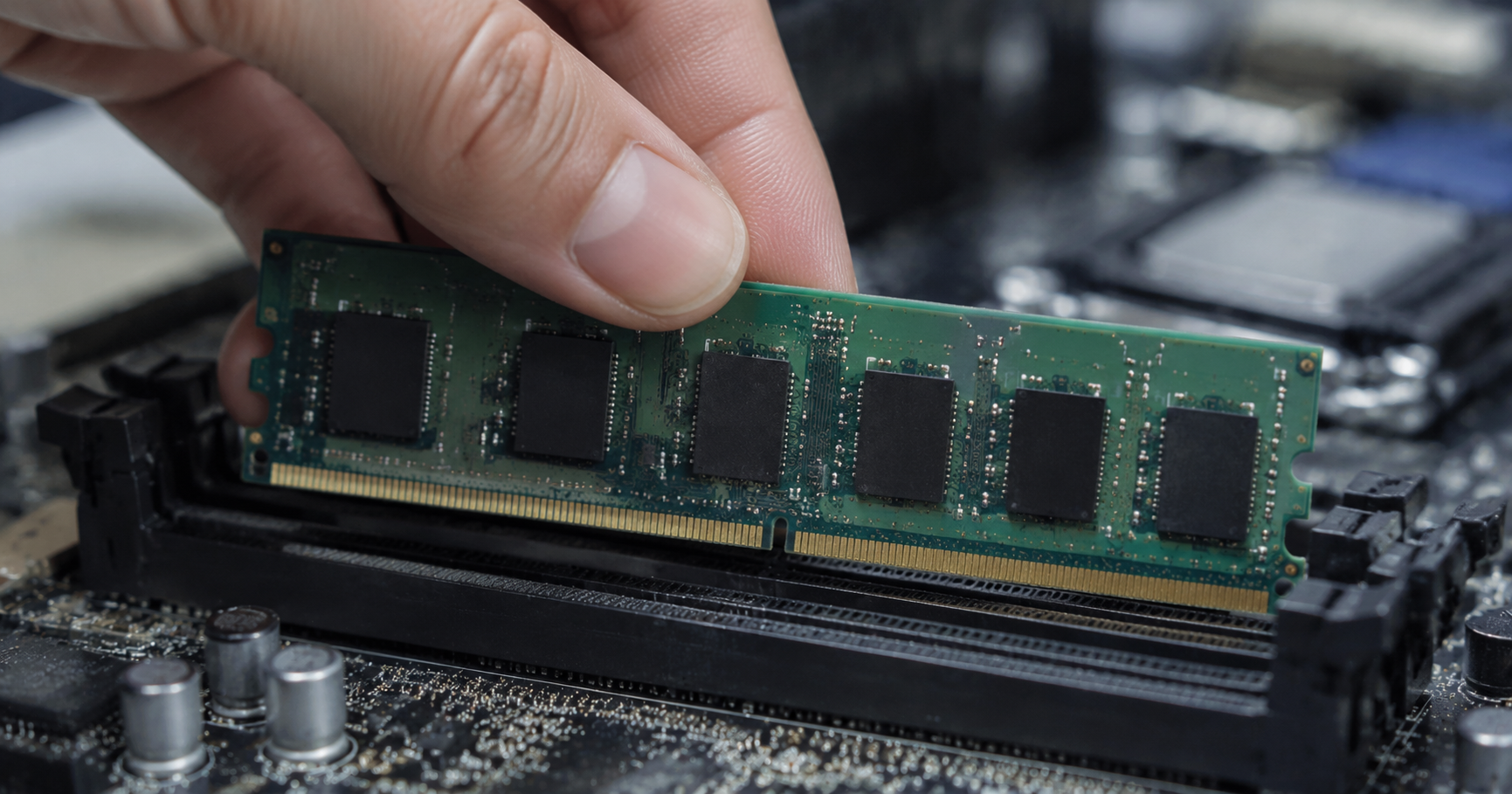
The semiconductor landscape is witnessing a structural shift in retail capital allocation as the DRAM memory chip exchange-traded fund (ETF) emerges as a primary vehicle for AI infrastructure plays.
Launched by Roundhill Investments on April 2nd, the fund has rapidly ascended to “darling” status among retail investors seeking targeted exposure to the memory chips supply chain.
While initial AI investment cycles favoured GPUs, recent market activity signals a narrowing focus on the memory bottlenecks currently constraining global hyperscale data centers.
DRAM inflows are creating history in 2026
According to Vanda Research, retail traders have piled into DRAM at a blistering pace, with daily purchases exceeding $200 million within the first month – a faster dollar-flow ramp than previous favourites like TSLL and BITO.
More importantly, “there are no signs of this buying frenzy slowing down” in the near-term, Vanda researchers wrote in their latest report.
The fund’s concentration reflects the oligopolistic nature of the industry. Its three largest holdings: Samsung, SK Hynix, and Micron, comprise roughly 75% of the $6 billion in total assets.
The fundamental bull case for these holdings is straightforward: as AI hyperscalers race to expand capacity, memory has emerged as a critical bottleneck, leading to soaring input prices and concerns about long-term shortages.
This supply-demand imbalance may boost profit margins, with many now projecting the metric to surpass 70% this year.
Other notable contributors in DRAM include specialized data storage and chip companies such as Kioxia, Western Digital, and Seagate, suggesting that retail investors are increasingly viewing HBM memory and solid-state storage devices as the essential “picks and shovels” of the AI buildout.
Why are retailers picking memory chips over GPUs
Retail enthusiasm for DRAM isn’t just a momentum story – it reflects a deeper architectural shift underway in AI systems.
Experts believe the next wave of artificial intelligence is moving toward agentic workloads, where models don’t simply generate outputs but govern multi‑step tasks, call external tools, and manage distributed workflows.
That shift is pushing performance bottlenecks away from GPU‑centric inference and toward CPU-heavy coordination layers.
As Daniel Nenni wrote for SemiWiki in April: “Emerging agentic AI systems transform inference into a distributed, multi-step process. This architectural shift introduces substantial CPU demand,” fundamentally changing how compute is allocated inside data centers.
Morgan Stanley’s senior analyst Shawn Kim echoed this view, lifting his 2030 CPU TAM forecast by 25% and describing future AI systems as hybrid architectures – dense “GPU racks” for model compute paired with “CPU racks” for orchestration, data processing, and tool execution.
For retail investors, this evolving stack makes memory, particularly HBM and high‑density storage, a more direct way to play infrastructure bottlenecks emerging from both GPU and CPU expansion, positioning the DRAM fund as the cleaner, more scalable bet in the AI buildout.
The post Retail investors are flooding into this recently launched AI-themed ETF appeared first on Invezz